
"Korea Looks Cash-Optional — Until It Isn't: A Currency & Card Guide"
Korean cities are largely cashless — most cafes, convenience stores, and restaurants take card, including foreign Visa/Mastercard. That's true right up until you're standing at a traditional market stall or a small rural spot that's cash-only, and by then it's too late to have planned for it.
The mistake that costs you on every single card swipe
When a card terminal in Korea asks whether to charge you in your home currency or Korean won, choosing your home currency feels safer — it isn't. That's Dynamic Currency Conversion (DCC), and it adds a hidden markup on top of your own bank's exchange rate every time you accept it. Always choose to be charged in Korean won (KRW), even if the terminal defaults to your home currency.
Where cash still matters
Small traditional markets, some rural areas, and a handful of older independent restaurants remain cash-preferred or cash-only. Carrying a modest cash buffer — enough for a market meal or a small shop — avoids getting stuck.
Getting cash without getting stung
Look for ATMs marked "Global" or with a foreign card logo — Woori, KEB Hana, and 7-Eleven ATMs are generally the most reliable for foreign card acceptance. Notify your bank of your travel dates before you leave, since an unannounced overseas card attempt is a common reason for a first-use freeze.
Better exchange rates, if you're converting cash
Currency exchange counters near Myeongdong and Hongdae typically beat airport kiosk rates by a noticeable margin. Exchange only what covers your first day or two at the airport, then top up in the city once you've found a better rate.

Mobile pay isn't the shortcut it looks like
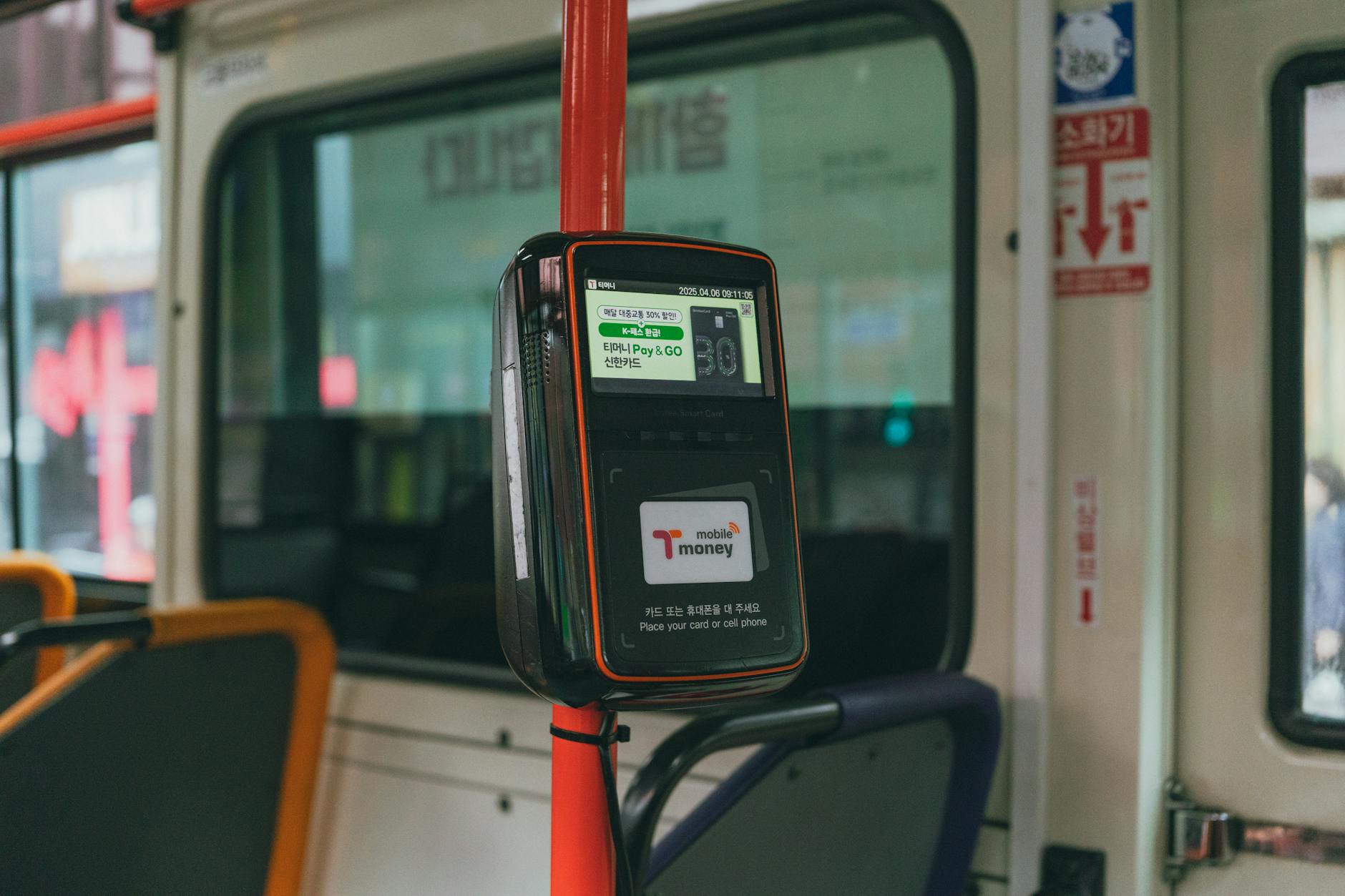
Samsung Pay and Naver Pay are widely used locally, but usually require a Korean bank account to set up — not something you can activate as a short-term visitor. For most trips, a normal card (charged in won) stays the simplest option throughout.