
Korea Etiquette Mistakes That Actually Get You Noticed
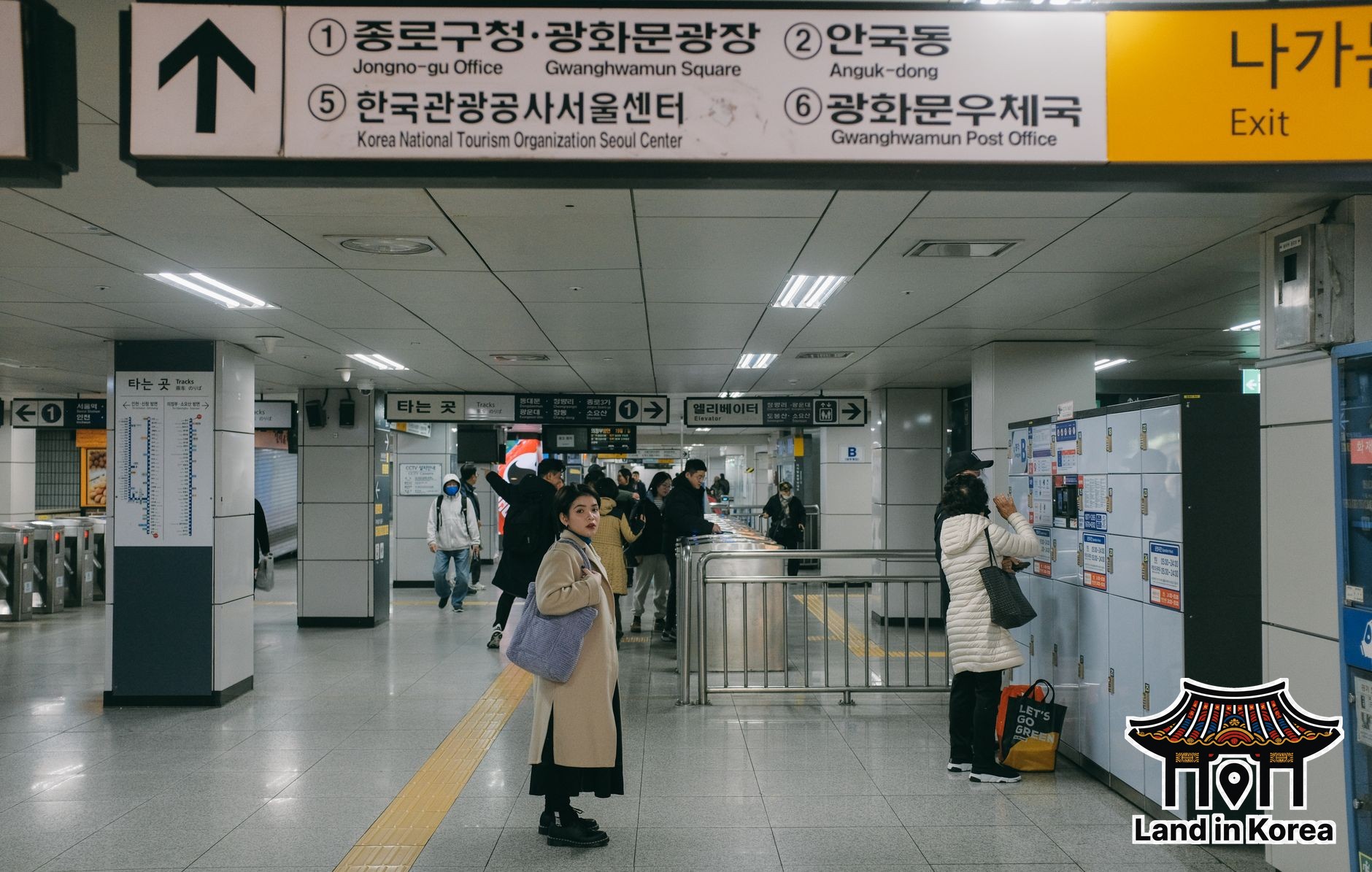
Phone calls on public transit are the #1 offense
More than any other single behavior, making phone calls on trains or buses marks you as unaware of Korean culture. It's not just considered rude — it's genuinely perplexing to regular commuters that anyone would broadcast a conversation to dozens of strangers. The rule is absolute: text, message apps, or email for communication on public transit. Voice calls are for outside, in person, or when you're alone.
Eating on trains is actually fine — but there are rules
Common travel advice warns against eating on Korean trains, implying it's deeply disrespectful. The reality is more nuanced. Eating a meal with a strong smell (ramyeon with extra garlic, heavily spiced food) on a train during rush hour is genuinely inconsiderate and you'll notice people shifting away. Eating a sandwich or some fruit? Nobody cares. The distinction is about consideration for others' space and comfort, not a blanket ban.
Bowing doesn't require perfect form
Western travelers often stress about bowing correctly, worrying that getting the angle or depth wrong will offend someone. In practice, Korean people understand that foreigners aren't trained in this cultural norm and don't expect it. A small nod when greeting a service worker or someone older is appreciated and noticed, but there's genuine grace given for imperfection. Attempting a small respectful gesture is valued far more than executing perfect form.
Shoes off indoors — but not everywhere
The rule is: shoes off in homes, traditional restaurants with floor seating (on the mat/ondol), and some temples. Regular restaurants with chairs? Shoes stay on. It's a simple distinction once you're aware of it, and most places make it obvious by the setup.
Tipping is genuinely not expected
Korea doesn't have a tipping culture. Leaving money after a meal, a haircut, or any service will confuse the recipient more than please them. A 10,000₩ or 20,000₩ thank-you bonus for exceptional service at a high-end restaurant is appreciated but not expected or necessary.
Chopsticks and spoons matter — but the bar is low
Using chopsticks and spoon correctly is culturally meaningful in Korean dining, but you won't be subtly judged for struggling with them. Staff at restaurants frequented by tourists understand that chopstick skill isn't universal. That said, it's genuinely worth practicing before arrival if possible — it makes the whole experience smoother and you'll notice people relax around your table when it's clear you're at least trying.
Bathroom stalls without locks are normal
Many public bathrooms in Korea have a quirk that startles first-timers: stall doors that don't lock or have visibility gaps. This isn't a privacy failure — it's normal and expected. Nobody's trying to peek; people are just used to different bathroom conventions. This is worth knowing in advance so you're not stressed when it happens.
Handing things with one hand is casual, not offensive
Some travel guides suggest using both hands when giving or receiving anything as a sign of respect. In modern Korea, especially with younger people, this is rarely expected. Handing someone a business card with one hand won't be interpreted as disrespect — it's just a practical gesture. Using both hands for formal or respectful situations (giving to an elder, a formal meeting) is appreciated, but the stakes aren't as high as older guidebooks suggest.
The "no red ink" rule is obsolete
Older guides mention avoiding writing names in red, which historically associated with death. This belief is fading in modern Korea, particularly among younger people. It won't offend anyone, but it also isn't the meaningful courtesy it once was.
The short version
- Phone calls on public transit are the single most noticed breach
- Eating on trains is fine — strong smells during rush hour is what matters
- Bowing awkwardly is fine; not attempting respect is what's noticed
- Shoes off at homes and traditional restaurants with floor seating
- Tipping is not expected and can confuse service workers
- Chopstick skill is appreciated but mistakes are forgiven
- Handing things with one hand is casual in modern Korea
- Red ink rules are fading and unlikely to offend
Official sources
This guide is checked against Korea Tourism Organization. Prices, hours, and procedures change — confirm time-sensitive details there before you rely on them.
Frequently Asked Questions
Is it really that rude to talk on the phone on the subway?
Yes. Among the behaviors listed here, it's genuinely the most noticed and considered disruptive. Korean people understand that most tourists don't realize this, but they do notice. If you need to communicate urgently, text. Your message will come through, and nobody around you will be aware you're doing anything out of the ordinary.
What if I accidentally eat something with a strong smell on the train?
People will notice your politeness in trying to minimize the impact — eating quickly, facing a window to direct the smell away, wrapping it up afterward. The actual smell is less about judgment and more about physical discomfort for surrounding passengers. If the food is pungent, the gesture of consideration matters more than the act itself.
Will people judge me for bowing poorly?
No. In fact, the judgment shifts the other direction. Foreigners who don't attempt any gesture of respect are noticed. Foreigners who try and do it awkwardly are viewed positively. You're trying, and that's what's appreciated.