Korean Cooking Classes in Seoul: What to Expect & Book
Some links are affiliate links. We may earn a commission at no extra cost to you. How affiliate links work.
Tap a heading to read that section.
Kimchi-making is the default, not the only option
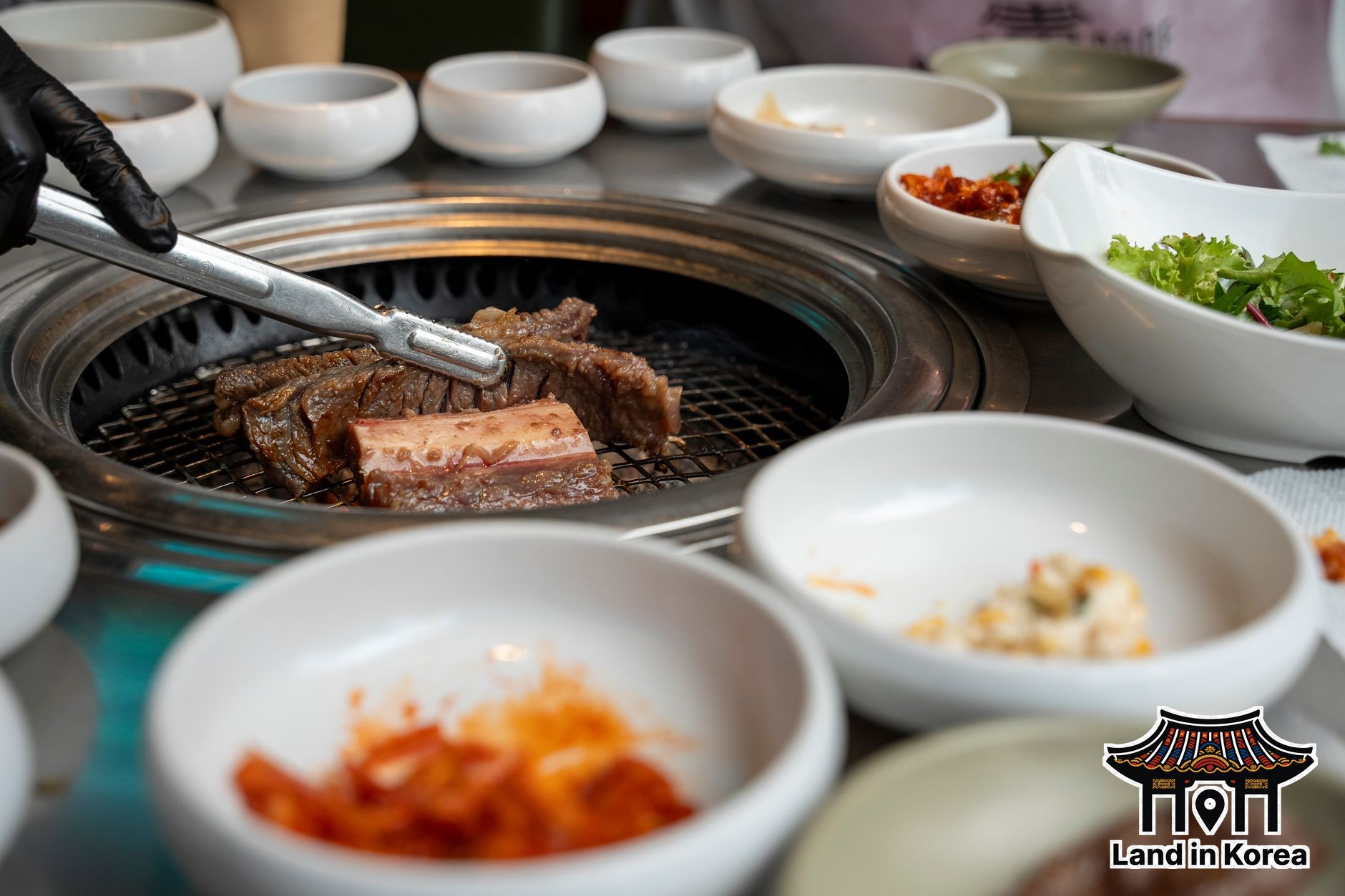
Search for a Korean cooking class in Seoul and kimchi-making dominates the results, usually built around cabbage kimchi with a shorter add-on round of cucumber or radish kimchi. It's the default for a reason — it's fast to teach, doesn't require a stove, and produces something you can actually pack and take home. But it isn't the only format available. Bibimbap assembly, Korean BBQ grilling technique, and dumpling- or tteokbokki-making classes are all commonly listed too, and they teach a different set of skills than kneading salted cabbage for an hour.
What a typical class actually covers in the time given
Most beginner-oriented classes in Seoul run about two hours, which is enough time for an instructor to demonstrate a technique, walk a small group through it step by step, and leave time to eat what you made. That schedule leaves little room for nuance — you'll learn the mechanics of a dish, not the dozen small adjustments a home cook makes over years. If the class description promises more than two or three dishes inside a two-hour slot, treat that as a sign the session will be rushed rather than thorough.
Group class vs. private class
Group classes are the cheaper default and work well if you're comfortable sharing a kitchen station and instructor attention with strangers. Private classes cost more but let you set the pace, ask more questions, and in some cases choose which dish gets taught instead of a fixed curriculum. Families traveling with young kids and anyone with a specific dietary restriction tend to get more out of a private booking, since a group instructor generally can't pause the whole class to accommodate one person's substitution.
Language — what's actually taught in English
Most classes marketed to foreign visitors run primarily in English, but the level varies by studio — some instructors teach fluently in English throughout, while others demonstrate in Korean with an assistant translating the key steps. If following every explanation matters to you rather than just following visual demonstration, check the listing's language field or message the operator directly before booking, since "English-friendly" on a listing page doesn't always mean the same thing as "taught in English."
What you keep, and what you don't
Kimchi classes almost always let you take your batch home in a sealed container, which is worth factoring into your day if you're not heading straight back to accommodation with refrigeration. Cooked dishes like bibimbap or Korean BBQ are usually eaten on-site as part of the class rather than packaged to go, partly for food safety and partly because they're meant to be eaten hot. If taking food back to a hotel room matters to your plan, ask before booking rather than assuming.
Booking: marketplace listings vs. a specific studio
Most Seoul cooking classes aimed at visitors are listed and bookable through travel marketplaces — among them Klook — rather than taking direct bookings only through a studio's own site. Comparing a few listings side by side is useful mainly for checking group size caps, start times, and cancellation policy, since the core format (kimchi, two hours, small group) tends to repeat across operators. Reviews on the listing page are a better signal of instructor quality and English-language clarity than the marketing copy itself.
Browse Seoul cooking classes on Klook →
Dietary restrictions and substitutions
Vegetarian and vegan requests are usually workable for kimchi-making itself, since fish sauce or shrimp paste can often be swapped for a plant-based seasoning if you flag it in advance. Classes centered on Korean BBQ or dishes built around meat are harder to adapt on short notice, and allergy substitutions (shellfish, sesame, gluten) should be raised at booking rather than on arrival, since a studio working through a fixed ingredient prep list for a group may not have a substitute on hand.
What you actually leave with besides the food
Beyond the dish itself, most classes send participants home with a printed or digital recipe card for what they made, which is the easiest way to actually repeat the dish later rather than relying on memory. A handful of studios also fold in a short soju or makgeolli tasting as a side activity rather than a core part of the lesson — useful context for the meal, but worth checking the listing if you'd rather the full two hours stayed focused on cooking technique.
Pairing a class with a nearby palace visit
Several class locations sit within walking distance of Insadong and Gyeongbokgung Palace, which makes a morning class followed by an afternoon palace visit a workable combination rather than two separate trips across the city. If you're already planning a hanbok rental for the palace, check the hanbok rental guide for timing, since cooking in a rented hanbok isn't something most studios allow or expect.
Official sources
- Korea Tourism Organization, official visitor site: english.visitkorea.or.kr
- Report on Seoul cooking classes for foreign visitors: Korea JoongAng Daily
A few details. A better trip.
Compare eSIM reference prices, explore arrival airports and choose a neighbourhood. Check current offers on each provider’s website.