"What Actually Disrupts Trips to Korea: Crime Risk vs. Weather Risk"

Most travel-safety advice for Korea focuses on crime, and by that measure Korea is genuinely one of the safer destinations you can pick — low violent crime even late at night in major cities. Standard precautions still apply (watch for pickpockets in crowded markets, keep an eye on drinks in nightlife areas), but that's not where trips actually go wrong.
The risk nobody plans around: weather disruption
Typhoons (summer through early fall) and heavy snow (winter) can disrupt trains and flights with very little warning. This is the disruption that actually derails itineraries — not crime, not scams, just a canceled train or a delayed flight with no buffer day built in to absorb it.
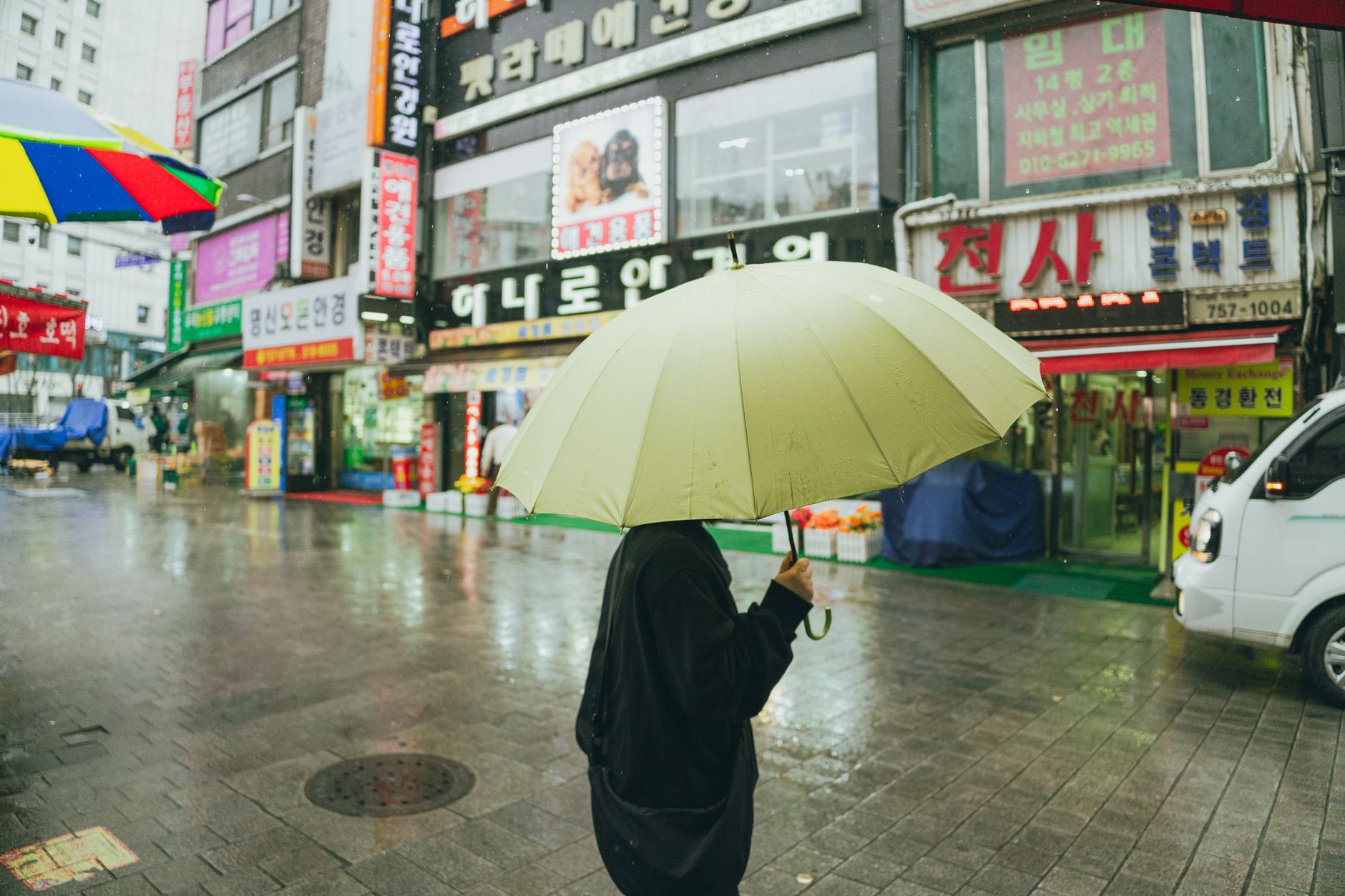
The fix: one buffer day if you're traveling in typhoon or snow season
If your trip falls in July–September or December–February, build one flexible day into your itinerary rather than a schedule that assumes every train and flight runs on time. It costs you nothing if the weather cooperates, and it's the difference between a delay and a missed connecting flight if it doesn't.
What to actually check before you land
- Your home country's official travel advisory page for Korea, shortly before departure — regional notices can change closer to your trip than you'd expect.
- Register with your embassy's traveler notification service for real-time alerts during your stay.
- Save 112 (police) and 119 (fire/medical) before you land — both have English-language phone support.
Hotels and hostel staff can usually help translate in a pinch if you're ever unsure whether a situation needs official help — you don't need to already speak Korean to ask for that kind of help.