
Seoul in One Day: Palace, Hanok Village and Insadong
Some links are affiliate links. We may earn a commission at no extra cost to you. How affiliate links work.
Tap a heading to read that section.
If you only have one day in Seoul, the question isn't "what should I see" — it's "what actually fits without rushing." The palace-hanok-Insadong route works because the four stops sit within a 10-15 minute walk of each other in the same historic district, so you spend your time looking at things, not riding the subway between them.
This is not a checklist of everything Seoul has. It's one realistic day, with honest timing.
The route at a glance
- Gyeongbokgung Palace (morning)
- Bukchon Hanok Village (late morning)
- Insadong (early afternoon)
- Gwangjang or Namdaemun Market (late afternoon / dinner)
Plan for 12-15 km of walking across the day. Wear shoes you've already broken in, not new ones.
1. Start at Gyeongbokgung Palace
Arrive close to opening. Gyeongbokgung is Korea's largest and most visited palace, and it gets noticeably more crowded by midday, especially with school groups and tour buses.
Full practical details — hours, ticket prices, the changing-of-the-guard ceremony, and which Monday-to-Tuesday closures to watch for — are in our complete Gyeongbokgung Palace guide. The short version: budget 1.5-2 hours, and check the closing day before you go since palace closures rotate and catch first-timers off guard.
If you'd rather see a less-crowded palace with a famous secret garden instead, Changdeokgung is the commonly recommended swap — but its Secret Garden section needs a same-day or advance-booked timed ticket, so it doesn't drop into a loose itinerary as easily as Gyeongbokgung does.
Want the hanbok discount without arranging a rental yourself? Wearing a hanbok gets you free entry to Gyeongbokgung (and several other palaces) — a genuine, official discount, not a tourist gimmick. Klook lists rental shops right at the palace with English booking and photos included, which is faster than finding a shop in person if you want to be dressed before the gates open. Note the free-entry exception: Gyeongbokgung doesn't waive entry for hanbok-wearers on its Tuesday closure day, same as everyone else.
Reserve a hanbok rental near Gyeongbokgung on Klook →
2. Walk to Bukchon Hanok Village
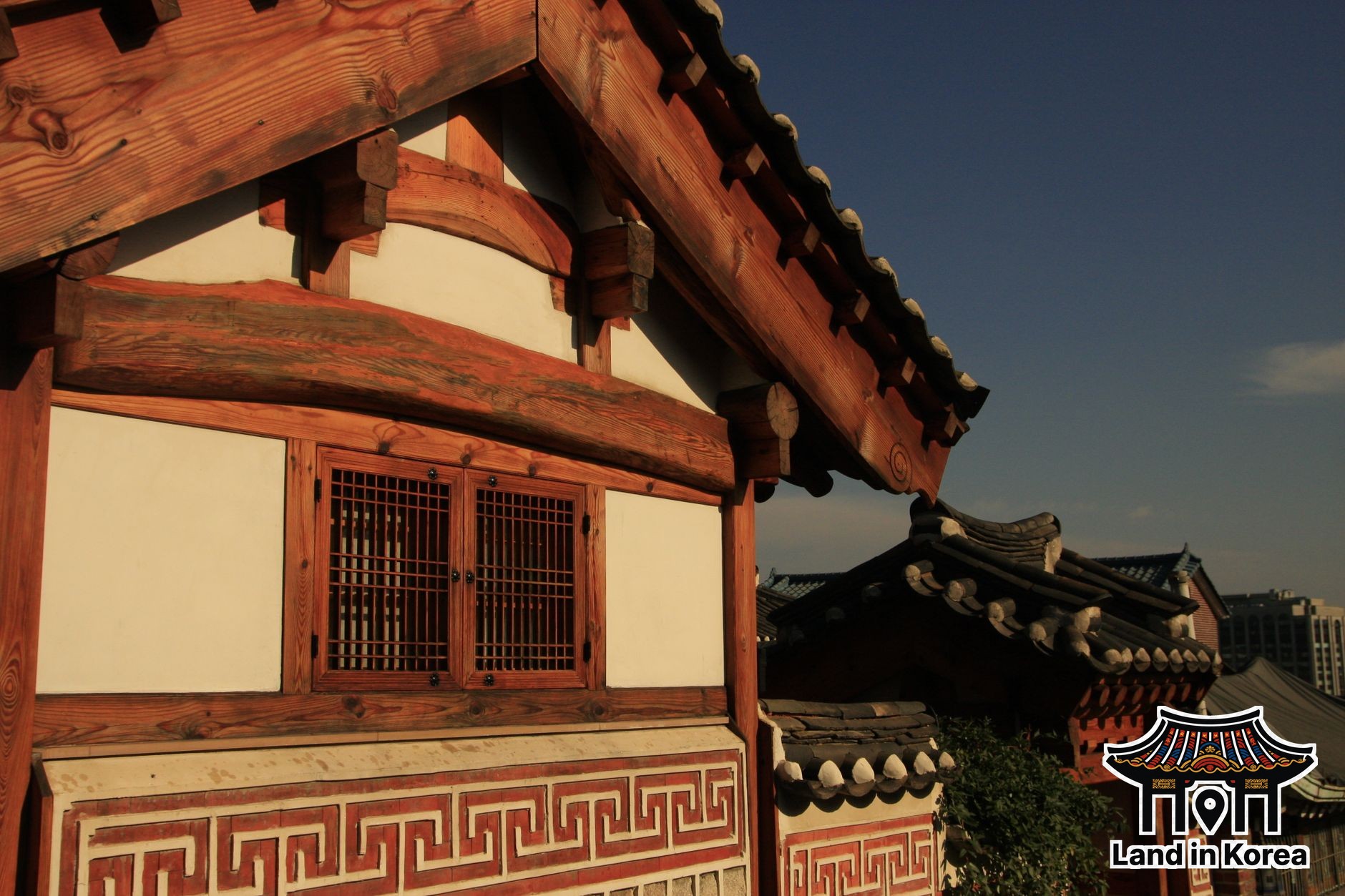
From Gyeongbokgung's eastern exit, it's about a 10-15 minute walk uphill into Bukchon. This matters for expectations: Bukchon is a residential neighborhood of traditional hanok houses, not a recreated tourist attraction. People live here. Keep voices down on the narrow lanes, especially around the well-known photo spots, and stay off private stairs and doorsteps.
Our Bukchon Hanok Village etiquette guide covers exactly which streets are busiest, what residents have asked visitors to stop doing, and the best viewpoint that doesn't require trespassing on someone's front step. If you want a hands-on stop, the Bukchon Traditional Crafts Centre runs short craft-making sessions and is a good 30-45 minute break from walking.
3. Move on to Insadong
Insadong is Bukchon's commercial twin — galleries, craft shops, traditional tea houses, and the Ssamziegil shopping complex, all along Insadong-gil and its side alleys. It's a 10-minute walk from Bukchon.
This is the easiest stop to under-plan for, because it rewards wandering into side alleys rather than walking straight down the main street. If you have 20 minutes to spare, Jogyesa Temple is a short detour nearby and free to enter.
Good spot for a tea break or a late lunch — look slightly off the main strip for prices aimed at locals rather than the main-street tourist rate.
4. Finish at a market: Gwangjang or Namdaemun
This is where the day ends and where opinions differ, so pick based on what you want:
Gwangjang Market is the better choice if you're mainly there for food. It's Korea's oldest permanent market (opened 1905) and its second-floor food alley is built for exactly this — bindaetteok (mung bean pancake), mayak gimbap, and yukhoe (Korean beef tartare) are the dishes people come back for. It's compact enough to navigate without a plan. Nearest stop: Jongno 5-ga Station (Line 1), Exit 8.
Namdaemun Market, covered in our Namdaemun vs. Myeongdong comparison, is Korea's largest traditional market and better suited to a shopping-focused finish — clothing, household goods, imported goods — with food (hotteok, kalguksu) as a secondary draw rather than the main event. Some sections of Namdaemun run very long hours, useful if your day runs later than planned.
Bring cash. Market stalls, including the well-known food stalls at Gwangjang, frequently don't take cards.
If you want to extend the day
Two common swaps if this itinerary feels too light or too packed:
- Swap Bukchon for Ikseon-dong Hanok Village — smaller, less crowded, but its specialty cafes can mean a real wait at peak hours.
- Add Namsan/N Seoul Tower as a sunset close instead of ending at the market, if you'd rather finish with a view than a meal.
If you'd rather not plan it yourself
Everything in this itinerary is doable independently with no booking required (aside from the Changdeokgung swap). If you'd rather have someone else handle the route, pacing, and explanations, guided versions of roughly this exact combination exist — Klook lists Seoul day tours that pair Gyeongbokgung, a hanok village stop, and a market visit with a guide, which is worth comparing against doing it yourself if you'd rather not navigate or research on the day.
Book a guided Seoul day tour on Klook →
What this day actually costs
Entry fees along this route are modest individually: Gyeongbokgung's adult admission is ₩3,000 (about US$2.20, confirmed 2026-11-01 — the Korea Cultural Heritage Administration has flagged a possible fee increase from January 2027, so double-check before you go), Bukchon and Insadong don't charge entry at all (you're walking public streets), and Jogyesa Temple is free. The real cost variables are hanbok rental if you want one (a genuine but optional add-on) and whatever you spend on food at the closing market. Transit between stops is covered by a few T-money taps at most, since the whole route is walkable with public transit as a backup rather than a requirement. Compared to a day built around paid attractions (a theme park, a DMZ tour), this is one of the cheaper full days you can build in Seoul.
Getting between stops
All four stops are walkable to each other, but if your feet give out, T-money card gets you onto any bus or subway connecting them without buying separate tickets. Keep your passport on you — not needed for this day specifically, but useful habit if you make an unplanned tax-refund stop at a market vendor that offers it (see our tax refund guide for which purchases actually qualify).
Official sources
Opening hours, closure days, and ticket details for Gyeongbokgung Palace are checked against Korea Tourism Organization and Seoul Tourism Organization. These change seasonally — confirm the current closing day and any special night-opening schedule before you build your morning around it.
Frequently Asked Questions
Is one day really enough for all four stops?
Yes, but only these four, done roughly in this order. Adding a fifth major stop (another palace, a far-away neighborhood) usually means rushing one of the first four. If you have a second day, that's the time to add Changdeokgung's Secret Garden or a longer food-market crawl.
Which market should first-timers actually pick?
If you're undecided, Gwangjang for food, Namdaemun for shopping. Gwangjang's food hall is easier to navigate in a short visit than Namdaemun's larger, more spread-out layout.
Do I need to book anything in advance for this route?
No advance booking is required for Gyeongbokgung, Bukchon, Insadong, or either market. The one exception is if you swap in Changdeokgung's Secret Garden, which does require a timed ticket.
What if it's raining?
Insadong and the markets both have substantial covered/indoor sections. The outdoor parts of this route are Gyeongbokgung's courtyards and the walk through Bukchon — both still doable in light rain, just budget extra time and bring a compact umbrella rather than trying to buy one at a souvenir markup.
A few details. A better trip.
Compare eSIM reference prices, explore arrival airports and choose a neighbourhood. Check current offers on each provider’s website.