
The One T-money Mistake That Actually Costs First-Timers Money

You already know T-money exists: tap in, tap out, works on subway/bus/taxi. That's not the part that trips people up. The part that actually costs money is this:
The mistake: not tapping out on a bus
On the subway, skipping the tap-out is obvious — the gate won't open. On a bus, nothing stops you from just walking off without tapping again. Nothing beeps, no one checks. But the transfer discount (subway ↔ bus, or bus ↔ bus, within the transfer window) only applies if you tap out — so skip it and you silently pay full fare on your next ride instead of the discounted transfer rate, with zero indication anything went wrong.
Multiply that by every bus ride on a week-long trip and it's a real, avoidable cost — not because the fare is expensive, but because it happens without you noticing, ride after ride.
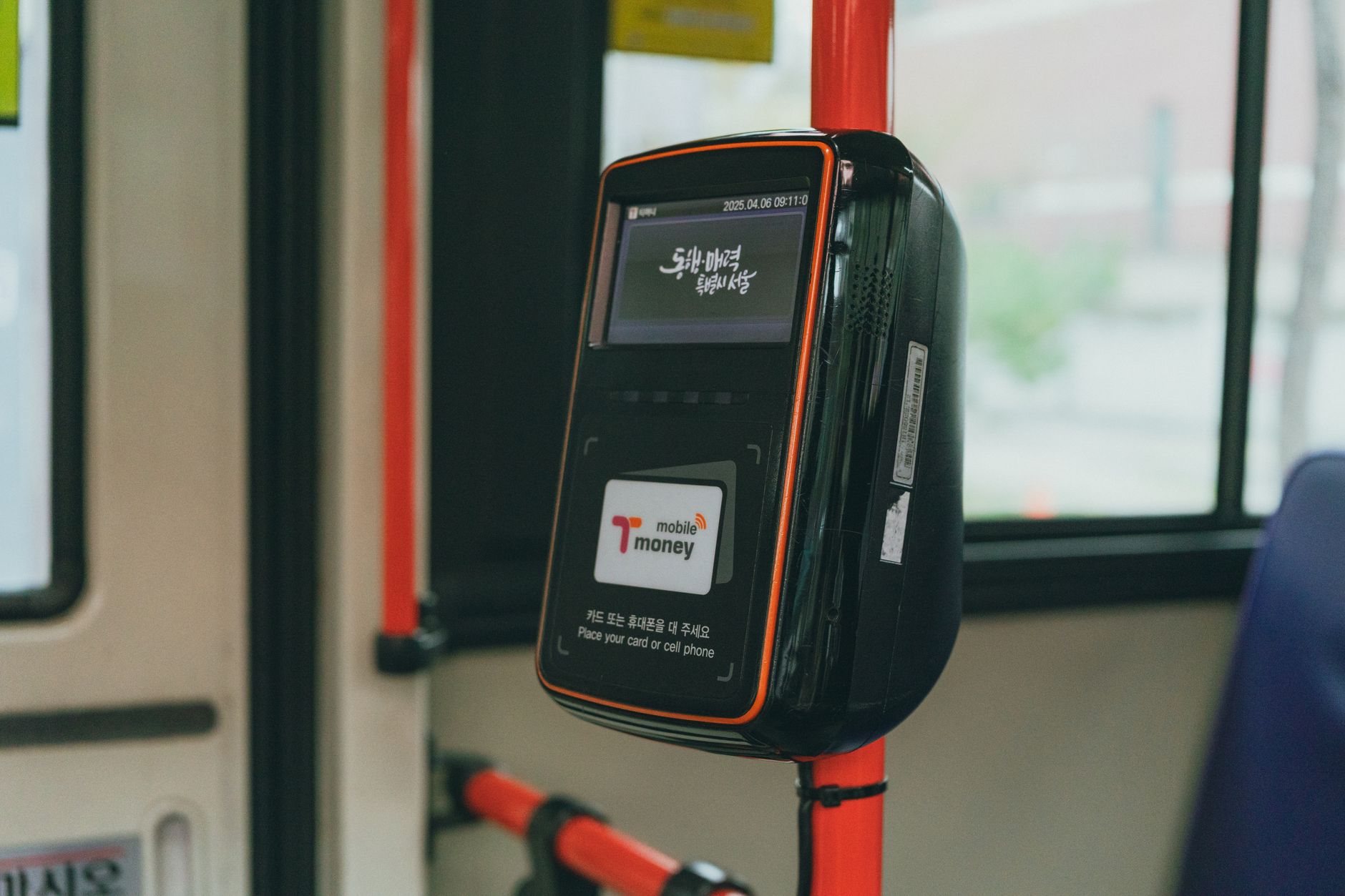
The habit that fixes it
Tap out at the front or back door reader every single time you get off a bus, even when it feels unnecessary. That's it — this alone is the difference between paying transfer rates and paying full fare on every connecting ride for your entire trip.
One more thing nobody mentions
Unused T-money balance can be partially refunded before you leave Korea, in cash, at station customer service counters — but not all stations offer this, and it usually excludes the original card fee. If you're topping up near the end of your trip, top up in smaller amounts rather than one large recharge, so you're not leaving money on a card you're about to throw away.
Where to get a card if you haven't yet
T-money cards are sold at convenience stores and station kiosks on arrival — no need to pre-book. If you'd rather sort out transit before you land, Klook and Trip.com also list Korea transit card bundles.