
Busan Guide: Haeundae Beach and Gamcheon Culture Village
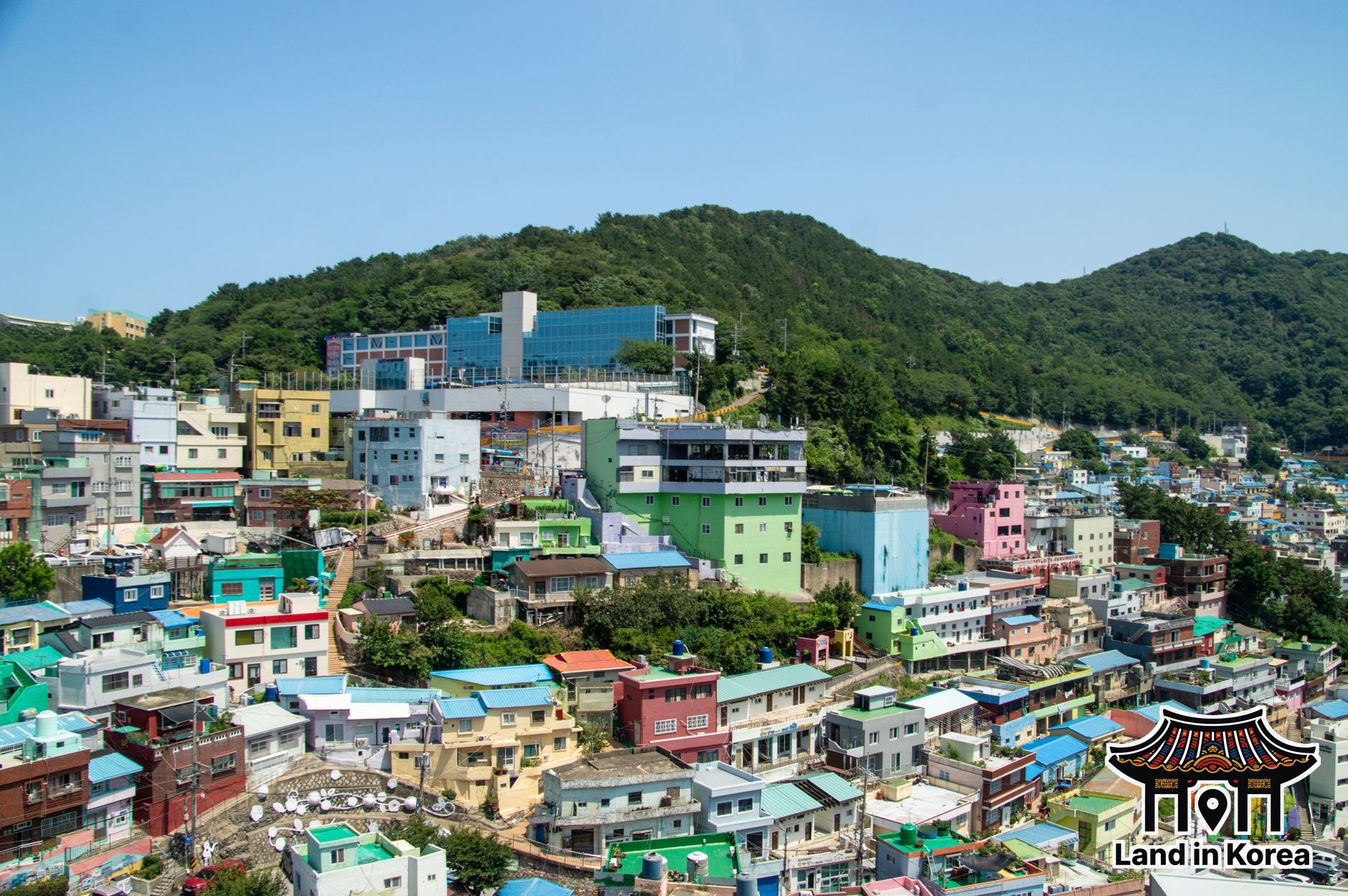
Two icons, opposite ends of the city
Haeundae Beach and Gamcheon Culture Village show up together in nearly every "one day in Busan" itinerary, but they sit on opposite sides of the city. Treat the trip between them as real transit time, not a quick hop — plan one for the morning and the other for the afternoon rather than trying to shuttle back and forth.
Haeundae: the beach everyone knows
Haeundae is Busan's most famous beach, a wide stretch of sand backed by a dense strip of hotels, cafes, and seafront restaurants. The water is shallow for a good distance from shore, which is part of why it's such a popular family beach rather than just a scenic one. It draws its biggest crowds in summer, when the beach itself and the surrounding streets get genuinely packed.
There's more to the area than the sand itself. Dongbaekseom, a small pine-covered headland park at one end of the beach, gives a quieter walking path and a good photo angle back toward the coastline. The Busan Aquarium sits right at the beachfront if the weather turns. And Haeundae Blueline Park — a coastal line running along a converted former railway toward Songjeong, ridden either as an open-air sky capsule or a beachside rail-bike — is one of the more distinctive things to do in the area if you want a slower, scenic add-on beyond just lying on the sand.
Gamcheon: stairs, not sand
Gamcheon Culture Village began as a hillside settlement in the 1920s-30s, later grew when refugees resettled there during the Korean War, and was transformed starting in 2007 when the city invited artists to turn the neighborhood into an open-air art village of murals, sculptures, and colorful houses. The result has earned it the nickname "the Machu Picchu of Korea" — but the neighborhood itself is almost entirely stairs and slopes, so comfortable shoes matter more here than the photos suggest.
The village's information center near the entrance sells a small stamp map that guides you to the notable murals and installations as you walk — a genuinely useful way to see the highlights without wandering the same alley twice. The most photographed single spot is a small statue of the Little Prince sitting on a wall overlooking the rooftops; expect a short line for a photo there during busier hours. It's also worth remembering, the same way it's worth remembering at Seoul's Bukchon, that people actually live in this neighborhood — keep noise down and be considerate about photographing directly into homes.
Getting between the subway and these two spots
Haeundae is straightforward — Haeundae Station on Busan Metro Line 2 puts you within easy walking distance of the beach. Gamcheon is less direct: the nearest subway stop is Toseong Station on Line 1, but the village itself is up a real hill from there, so most visitors take a short village bus from near the station exit rather than walking the whole way up. A taxi from Toseong Station is also common and inexpensive for the short, steep hop.
Getting there from Seoul
KTX from Seoul to Busan takes roughly 2.5-3 hours and is the fastest option if you're not driving. In summer especially, it's worth booking ahead rather than assuming same-day seats will be available. A domestic flight between Gimpo and Gimhae airports is faster in the air but the total door-to-door time often ends up similar once you account for airport transit on both ends, and an intercity bus is the cheapest option if time isn't the priority — see our comparison of KTX, SRT, and intercity buses for how to actually choose between them.
How to order the day so it actually works
The order you do these two in isn't arbitrary, and getting it right saves both crowding and effort.
Gamcheon rewards an earlier start. It's a hillside neighborhood with almost no shade on the main routes, the alleys narrow quickly once tour groups arrive, and the queue at the most photographed viewpoints grows through the day. Going first thing also means climbing the stairs before the afternoon heat in summer. Haeundae works better later: the beachfront is pleasant in the afternoon, the restaurants along the strip come alive in the evening, and if you're there in warmer months the sunset over the water is a better closing note than a mid-morning visit would be.
Reversing that order is still fine if your train times force it — just build in more transit slack, since crossing Busan at rush hour takes longer than the map suggests. A few other planning notes: Busan uses the same tap-to-ride transit cards as Seoul, so a T-money card that worked in the capital works here too. Both stops are largely outdoors, which makes them weather-dependent in a way indoor attractions aren't — a rainy forecast is a good reason to swap the day around rather than push through. And if you're doing Busan as a day trip from Seoul rather than an overnight, book the return train before you leave, not after dinner, when the last convenient departures fill up first.
The short version
- Haeundae and Gamcheon are on opposite sides of Busan — budget real transit time
- Haeundae is the beach-and-restaurants stop, busiest in summer, with Dongbaekseom and Blueline Park nearby
- Gamcheon is a hillside art village with steep stairs throughout — wear real shoes, and pick up the stamp map at the entrance
- Toseong Station gets you close to Gamcheon, but you'll still need a short village bus or taxi up the hill
- KTX from Seoul takes about 2.5-3 hours; book ahead in summer
Official sources
This guide is checked against Korea Tourism Organization. Prices, hours, and procedures change — confirm time-sensitive details there before you rely on them.
Frequently Asked Questions
Can I visit Haeundae Beach and Gamcheon Culture Village in one day?
Yes, but budget real transit time — they sit on opposite sides of Busan, so plan one for the morning and the other for the afternoon.
What should I wear to Gamcheon Culture Village?
Comfortable shoes — the neighborhood is almost entirely stairs and slopes, and the walk up from the nearest subway station adds to that.
How do I get to Gamcheon Culture Village from the subway?
Take Line 1 to Toseong Station, then either a short village bus or a taxi up the hill — the village itself isn't within easy walking distance of the station.
Is there anything to do near Haeundae besides the beach?
Yes — Dongbaekseom park at one end of the beach, the Busan Aquarium right on the beachfront, and Haeundae Blueline Park's coastal sky capsule or rail-bike ride toward Songjeong are all easy add-ons.
How long does it take to get to Busan from Seoul?
KTX takes roughly 2.5-3 hours and is the fastest non-flight option; book ahead in summer since seats sell out. Intercity buses take longer but cost less.