
Chuseok in Korea - Free Palace Days and What to Know
Chuseok is Korea's biggest family holiday, held on the 15th day of the 8th lunar month under the year's brightest full moon. In 2026, Chuseok falls on Friday, September 25, with the official public holiday running September 24-26 — the exact dates shift every year since Chuseok follows the lunar calendar, so always check the current year's dates before booking travel.
What Chuseok Actually Is
Chuseok is Korea's autumn harvest holiday, roughly equivalent in scale to Thanksgiving. Families travel to hometowns, hold ancestral memorial rites called charye, visit family graves, and make songpyeon — half-moon rice cakes filled with sesame, sweetened beans, or chestnut. Expect heavy domestic travel in the days before and after the holiday, since a large share of the country is moving between cities at the same time.
Free Palace Days During Chuseok
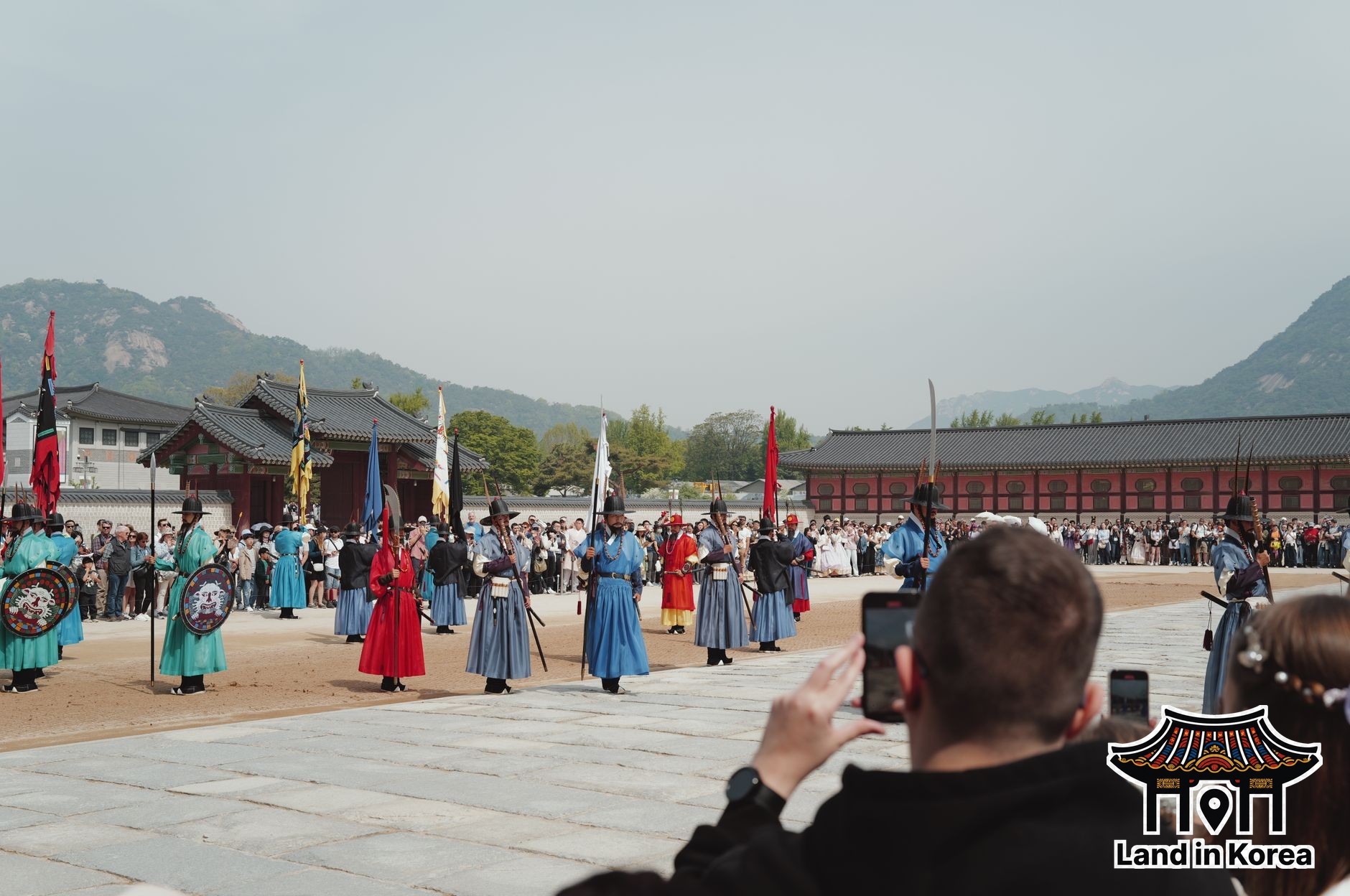
Korea's Cultural Heritage Administration opens the four main Seoul palaces — Gyeongbokgung, Changdeokgung, Deoksugung, and Changgyeonggung — plus Jongmyo Shrine and the Joseon royal tombs open for free from September 24 to 27. Jongmyo, which normally requires joining a guided tour, can be walked freely during this window, though Changdeokgung's Secret Garden tour is not included in the free access. At Gyeongbokgung, the Royal Guard Changing Ceremony still runs on its usual schedule, and you'll see far more visitors than usual in rented hanbok, since wearing one gets you into most palaces free year-round anyway.
What Closes (and What Doesn't)
Many small, family-run restaurants close for the holiday since staff travel to see their own families — this catches visitors off guard more than almost anything else about Chuseok. Large chains, department store food courts, and convenience stores stay open as usual, so you won't go hungry, but don't count on your favorite small local spot being open. Major attractions and palaces generally stay open (some with the free-entry bonus above), while smaller shops and markets thin out noticeably.
How to Wish Someone a Happy Chuseok
The easiest greeting to learn is "Chuseok jal bonaeseyo" (추석 잘 보내세요), meaning "Have a good Chuseok." "Happy Hangawi" also works, since Hangawi is the older, more traditional name for the holiday and Koreans will understand either one immediately.
Traveling Around Chuseok
If your trip overlaps with the holiday, book long-distance trains and buses as early as possible. KTX and SRT tickets between Seoul and other major cities sell out days to weeks ahead of Chuseok, since a huge share of the country is traveling to hometowns on the same handful of days. Highways get similarly congested, so a normally 3-hour drive can stretch well past 6 if you're moving on the day before or the day of the holiday itself. If you don't need to travel that specific weekend, staying in Seoul is actually a good strategy — the city empties out noticeably, main attractions are less crowded than usual, and you still get the free palace entry.
Chuseok Food Worth Trying
Songpyeon is the signature food of the holiday: small half-moon rice cakes, usually steamed over pine needles (which is where part of the aroma comes from), filled with sweetened sesame seeds, red beans, chestnut, or mung bean. Department store food halls and traditional markets like Gwangjang Market sell pre-made songpyeon boxes in the weeks around the holiday if you want to try some without being invited to a family gathering. Jeon (savory pancakes made from vegetables, meat, or fish) are another Chuseok staple, and many markets sell fresh, ready-to-eat versions during the holiday period specifically because they're time-consuming to make at home.
Banks, ATMs, and Hospitals During the Holiday
Banks close for the full holiday period, so handle any in-person banking before it starts — ATMs keep working as normal, and card payments are unaffected everywhere that's open. If you need medical care, most neighborhood clinics close along with everything else family-run, but hospitals maintain emergency rooms throughout the holiday, and pharmacies inside larger hospitals or near subway stations are more likely to stay open than small standalone ones. It's worth noting which hospital or 24-hour pharmacy is nearest to where you're staying before the holiday starts, just in case, since finding one on the day itself is harder with fewer staff working and fewer people around on the street to ask for directions. Taxis run as normal throughout the holiday, so getting to a hospital isn't the issue — knowing which one is actually staffed is.
Related guides
- How Chuseok affects the rest of your trip
- Gyeongbokgung Palace guide
- Palace schedules and closing days
Official sources
This guide is checked against Korea Tourism Organization. Prices, hours, and procedures change — confirm time-sensitive details there before you rely on them.
Frequently Asked Questions
When exactly is Chuseok in 2026?
Chuseok falls in late September in 2026. Because it follows the lunar calendar, the exact dates shift every year, so it's worth checking an updated calendar closer to your trip.
Are all of Seoul's palaces free during Chuseok?
The four main palaces (Gyeongbokgung, Changdeokgung, Deoksugung, Changgyeonggung), Jongmyo Shrine, and the Joseon royal tombs are free during the holiday period. Changdeokgung's separate Secret Garden tour is not included.
What should I say to wish someone a happy Chuseok?
"Chuseok jal bonaeseyo" (추석 잘 보내세요) or simply "Happy Hangawi" — both are understood as a warm, appropriate holiday greeting.