
Domestic Flights vs KTX: Jeju & Long-Distance Trips
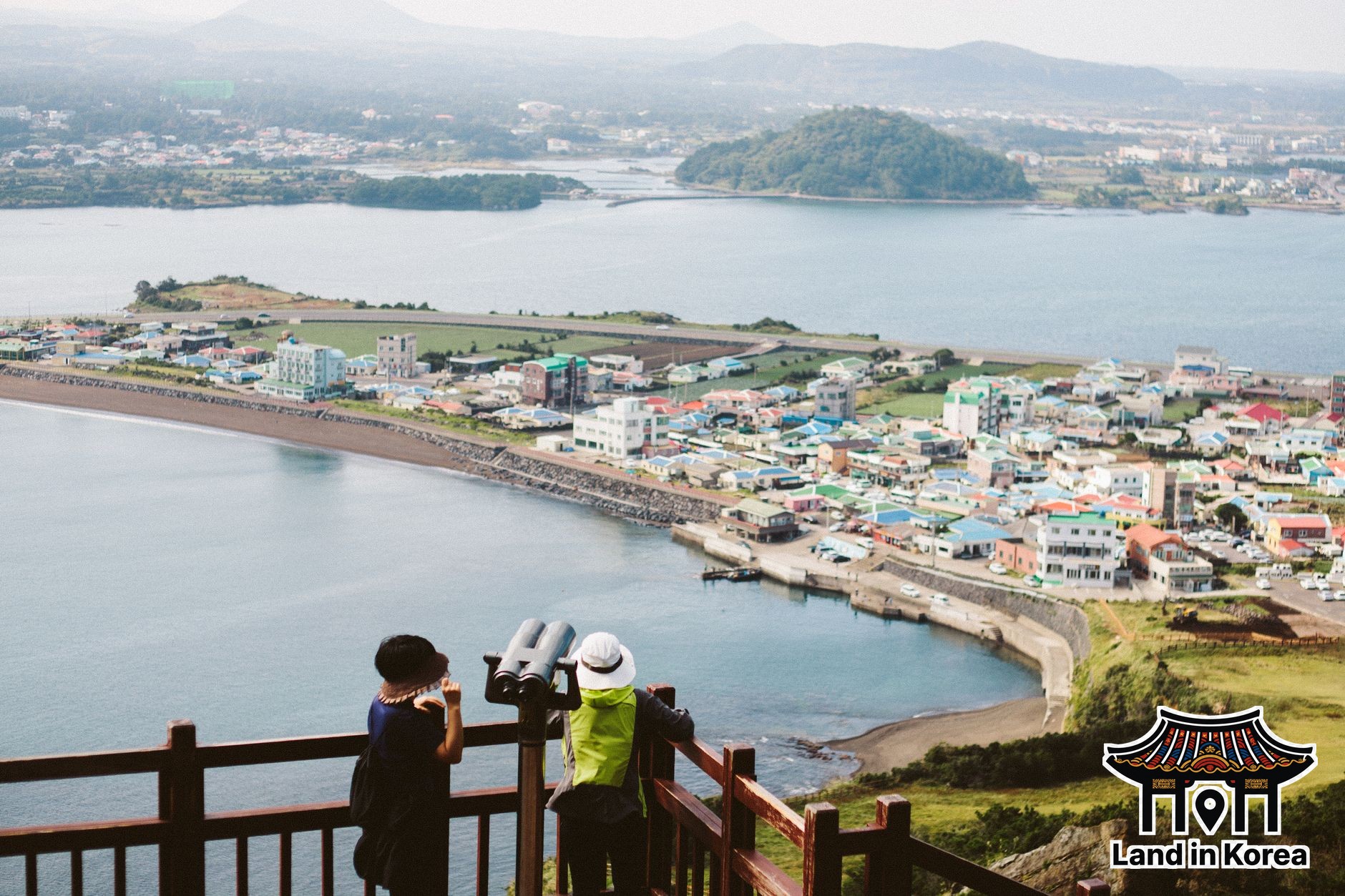
Quick comparison
| Route type | Best option | Why |
|---|---|---|
| To Jeju Island | Flight (the only practical option) | No rail link to the mainland; the overnight ferry mainly makes sense if you're transporting a vehicle |
| Mainland, short hop (e.g. Seoul-Daegu) | Usually KTX/SRT | Flight time is short, but airport transfer and security often make door-to-door time longer than a downtown-station train |
| Either route, around Seollal/Chuseok | Book weeks ahead | Reserved seats on both flights and KTX/SRT can sell out within minutes of going on sale |
The route most people don't realize is the world's busiest
Gimpo-Jeju isn't just a busy domestic hop — by OAG's 2025 scheduled-seat data it's the single busiest passenger air route on the planet, ahead of routes out of Dubai, London, and Tokyo, with roughly 14.4 million seats scheduled for the year and around 568 flights a week as of mid-2026. That volume is why first-timers get complacent: departures run almost every few minutes at peak times, so it feels like a route you can wing without checking a schedule. Seats generally aren't the bottleneck day-to-day, but that changes fast around Korean public holidays, when both flights and KTX/SRT seats disappear within minutes of going on sale.
Why Jeju only has one real option
Jeju has no rail connection to the mainland at all — not a slow line, not a planned extension, nothing. As covered in more detail in our Jeju Island guide, the only ways across are flying or a long overnight ferry from ports like Busan, Mokpo, or Wando, and the ferry mainly makes sense if you're bringing your own vehicle rather than renting on the island. Without a car to transport, flying is the practical default, not just the faster one.
Who actually flies Gimpo-Jeju, and how often
Korean Air and Asiana Airlines dominate the route, each running upwards of 200 flights a week, with Jeju Air adding roughly 150 more. Budget carriers T'way Air, Air Seoul, Jin Air, Hi Air, Air Busan, and Eastar Jet also compete on the same corridor — that level of competition is part of why fares stay reasonable despite Jeju having zero rail alternative. Exact fares shift with season and carrier, so check current pricing directly. Flight time in the air is short, around an hour, a big part of why this route dominates global passenger counts despite Korea's small size.
Domestic terminals move faster than international ones
Gimpo (Seoul) and Gimhae (Busan) both run separate domestic terminals from their international ones, and the process is lighter: no passport control, no immigration queue, generally shorter security lines. Standard guidance is to arrive about two hours before a domestic departure, or two and a half during morning and evening peak windows — less than the two-to-three hours usually recommended for international flights. Don't route yourself to the wrong terminal on airport transfers; domestic and international terminals are physically separate, sometimes requiring a shuttle between them.
Weather can ground Jeju flights with little warning
Jeju's exposed location makes it more weather-sensitive than most Korean airports. Strong wind events have canceled well over 200 flights there in a single day, and typhoons near the island — a real risk roughly August into September, as noted in the Jeju Island guide — have delayed or canceled dozens of flights with only hours of notice. This doesn't make flying unreliable most of the year, but it's a real argument for a buffer day on a late-summer Jeju trip rather than a tight same-day connection around it.
Mainland routes flip the calculation entirely
For a mainland trip like Seoul-Busan or Seoul-Daegu, flying and KTX or SRT are genuinely competing options, and door-to-door time decides it, not time in the air. Seoul-Daegu is only about 50 minutes by plane, yet most travelers still take the train — once you add getting to Gimpo, security, and reaching the city from the destination airport, a train from a downtown station like Seoul Station or Suseo often wins on total time. Flying only pulls ahead when the train ride itself is long, or the destination airport sits closer to your endpoint than the station does.
Booking ahead matters more than the mode you pick
Whichever way you travel, Korean public holidays that move the most people domestically — Seollal and Chuseok — are the real threat to your plans, not the flight-vs-train choice. Reserved seats on both flights and KTX/SRT can sell out within minutes of going on sale, and Jeju's tourist crowds spike on top of the usual holiday surge. Booking weeks ahead is the difference between having options and getting stuck with a standing ticket or a red-eye.
The short version
- Gimpo-Jeju is the world's single busiest passenger air route (OAG, 2025) — around 568 flights a week, roughly an hour in the air
- Jeju has no rail link to the mainland; flying or an overnight ferry are the only ways across
- Korean Air, Asiana, and Jeju Air lead the route, with several budget carriers also competing on it
- Domestic terminals are separate from international ones — lighter security, no passport control, arrive about 2 hours ahead (2.5 during peak windows)
- Jeju flights are more weather-exposed than most Korean airports; typhoon season (roughly August-September) can cancel or delay dozens with short notice
- For mainland routes like Seoul-Busan or Seoul-Daegu, door-to-door time usually favors KTX/SRT once airport transfer and security are counted
- Seollal and Chuseok sell out both flights and trains within minutes — book weeks ahead, not days
Official sources
This guide is checked against Korail and Incheon International Airport. Prices, hours, and procedures change — confirm time-sensitive details there before you rely on them.
Frequently Asked Questions
Is Gimpo-Jeju really the busiest flight route in the world?
Yes — by OAG's 2025 scheduled-seat data, it ranked as the single busiest passenger air route globally, with about 14.4 million seats scheduled for the year and roughly 568 flights a week as of mid-2026.
Can I take a train to Jeju instead of flying?
No. Jeju has no rail connection to the mainland — flying or a long overnight ferry from ports like Busan, Mokpo, or Wando are the only options, and the ferry mainly makes sense if you're transporting a vehicle.
Is it faster to fly or take KTX for a mainland route like Seoul to Daegu?
The flight is only about 50 minutes, but most travelers still take the KTX — once you add getting to the airport, security time, and reaching the city from the destination airport, a train from a downtown station often wins door-to-door.
How early should I arrive at Gimpo or Gimhae for a domestic flight?
About two hours before departure, rising to two and a half during morning and evening peak windows. Shorter than international flights, since domestic terminals skip passport control and have lighter security.
Do weather delays affect Jeju flights often?
Not most of the year, but Jeju is more weather-exposed than typical Korean airports — wind events and typhoons, mainly a risk from August into September, have canceled or delayed dozens to over 200 flights in a single day. A buffer day on a late-summer Jeju trip is a reasonable precaution.
Do I need to book Jeju flights or mainland KTX/SRT tickets far in advance?
Mainly around Seollal and Chuseok, when reserved seats on both flights and trains can sell out within minutes of going on sale. Outside those windows, Gimpo-Jeju in particular runs frequently enough that seats usually aren't the bottleneck.