
Namdaemun Market vs Myeongdong: What's Really Different
Namdaemun sits a 10-minute walk from Myeongdong, and a lot of itineraries treat the two as one stop. They're not the same kind of shopping at all — one is a Joseon-era wholesale market that still runs largely on cash and negotiation, the other is duty-free storefronts and K-beauty flagships. Mixing up which one you're walking into is the actual mistake, not anything about the market itself.
It's older than most of what you'll see in Seoul
Namdaemun has operated on this spot since the early 1400s, making it the largest traditional market in the country and one of the oldest continuously running markets in Seoul — older than the palaces most visitors schedule around it. That history is also why the layout feels like a maze compared to a mall: it grew organically over centuries of merchants setting up next to each other, not a plan drawn on paper.
The hours are not what you'd guess
Namdaemun runs on a schedule closer to a wholesale market than a tourist attraction — many sections stay open from around 10 PM through to 5 AM the next morning, since a large part of its original customer base was retailers restocking overnight, not browsing tourists. Daytime hours exist too and are when most visitors go, but individual stalls set their own schedule, and Sundays are noticeably quieter, with some vendors closing entirely. If a specific stall matters to you, don't assume it follows mall hours.
What's actually there, beyond souvenirs
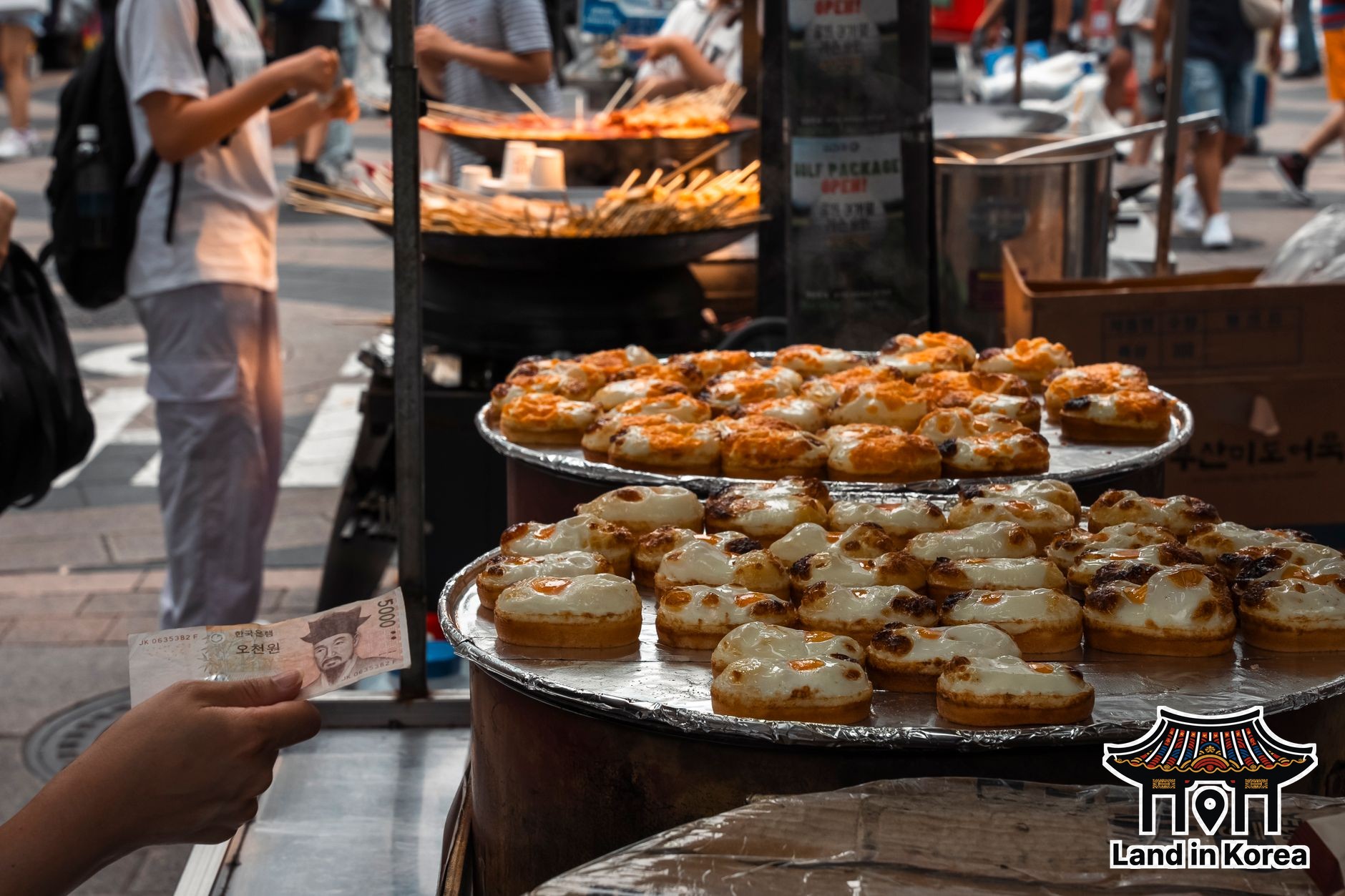
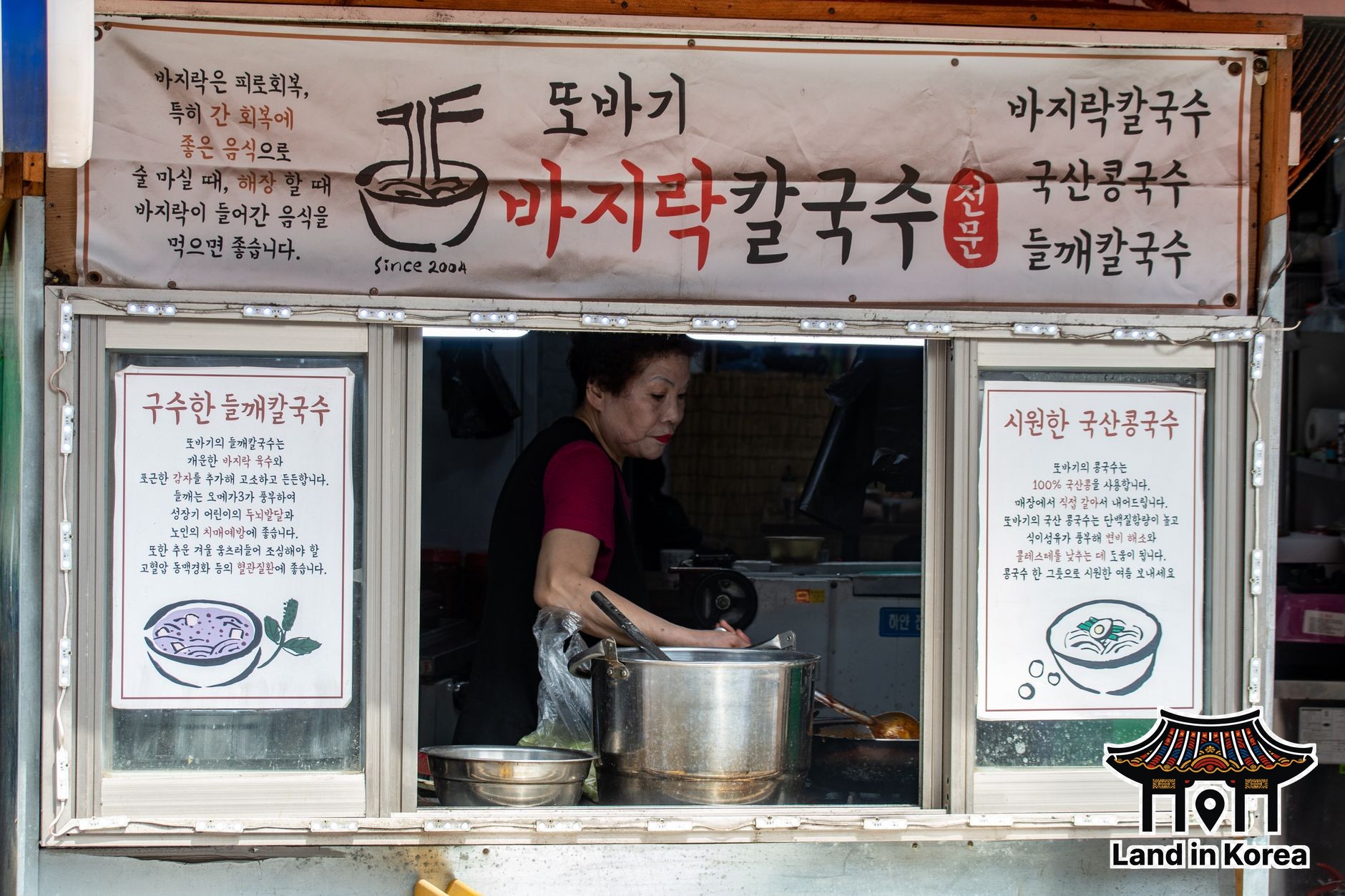
The market is organized into rough sections rather than one continuous strip: clothing, eyewear, kitchenware, imported goods, stationery, hats, ginseng, and camping and fishing gear all have their own clusters. It's also one of the better places in Seoul to eat street food that isn't aimed purely at tourists — hotteok (sweet filled pancakes), tteokbokki (spicy rice cakes), and kalguksu (hand-cut noodle soup) all have stalls with long-running local followings. If you're picking a food stop over a sit-down restaurant, this is a reasonable place to do it.
No entrance fee, but bring cash and expect to bargain
There's no ticket or entrance fee — you walk in and out freely, unlike some tourist-oriented markets that have started charging. What does differ from Myeongdong's fixed-price stores is that bargaining is normal and often expected here, especially at stalls selling clothing, accessories, or bulk goods. Card acceptance varies far more by individual stall than it does at chain stores nearby, so carrying some cash makes the visit smoother than assuming every vendor has a card reader.
Tax Free shopping works differently here than in a department store
Namdaemun does have Tax Free-affiliated stalls, but the sticker-at-the-register system that works reliably at Myeongdong's bigger stores is less consistent here — smaller, independent stalls are less likely to be affiliated with a refund network at all. If a Tax Free refund matters to your purchase, check the sticker and confirm the operator before you buy rather than assuming it works the same way it did at your last stop in Myeongdong.
Navigating it takes longer than the map suggests
The market's organic layout means alleys branch off at odd angles and section boundaries aren't marked the way a mall's directory would lay them out — a phone map gets you to the entrance, not to a specific stall inside. Naver Map or KakaoMap are more reliable than Google Maps for the surrounding streets, but once you're inside the market itself, expect to wander a bit more than the walking-time estimate implies. Budgeting extra time rather than treating it as a quick 15-minute stop makes the visit less rushed, especially if food is part of the plan.
How it connects to the rest of your day
Namdaemun sits between Seoul Station and Myeongdong, which makes it a natural add-on rather than a destination requiring its own trip — most visitors fold it into a walk between the two, or a stop on the way to or from the airport via the AREX line at Seoul Station. Because it's this central, a short visit (an hour, focused on food and one or two stalls) fits into almost any Seoul itinerary without forcing a detour.
The short version
- Namdaemun has run on this site since the early 1400s and is Korea's largest traditional market — a fundamentally different kind of shopping than Myeongdong's storefronts nearby
- Hours vary by stall; some sections run 10 PM–5 AM for wholesale trade, others keep daytime hours, and Sundays are quieter
- Sections are organized by goods (clothing, kitchenware, imports, food) rather than laid out like a mall
- Bargaining is normal here in a way it isn't at fixed-price stores — bring cash, since card acceptance is inconsistent stall to stall
- Tax Free affiliation is less consistent than at bigger department stores — check before you buy if the refund matters
- It sits between Seoul Station and Myeongdong, making it an easy add-on rather than a separate trip
Official sources
This guide is checked against Korea Tourism Organization. Prices, hours, and procedures change — confirm time-sensitive details there before you rely on them.
Frequently Asked Questions
Is Namdaemun Market the same as Myeongdong?
No — they're a 10-minute walk apart but different in character. Namdaemun is a centuries-old traditional wholesale market with bargaining and cash-heavy stalls; Myeongdong is duty-free storefronts and fixed-price K-beauty and fashion chains.
What are Namdaemun's opening hours?
It varies by section — some wholesale areas run from around 10 PM to 5 AM, while most stalls visitors go to keep daytime hours. Sundays tend to be quieter, with some vendors closed.
Is there an entrance fee for Namdaemun Market?
No, it's free to walk through — there's no ticket or gate.
Can I use a card at Namdaemun Market?
It depends heavily on the individual stall. Card acceptance is far less consistent than at chain stores in nearby Myeongdong, so it's worth carrying cash.
Can I get a Tax Free refund at Namdaemun?
Some stalls are affiliated with a Tax Free refund network, but it's less consistent than at larger department stores — check for the sticker and confirm which operator before buying if the refund matters to you.
Is bargaining expected at Namdaemun Market?
Yes, more so than at most Seoul shopping destinations — it's normal and often expected at stalls selling clothing, accessories, or goods in bulk.