
Jinju Namgang Lantern Festival - Getting There From Seoul
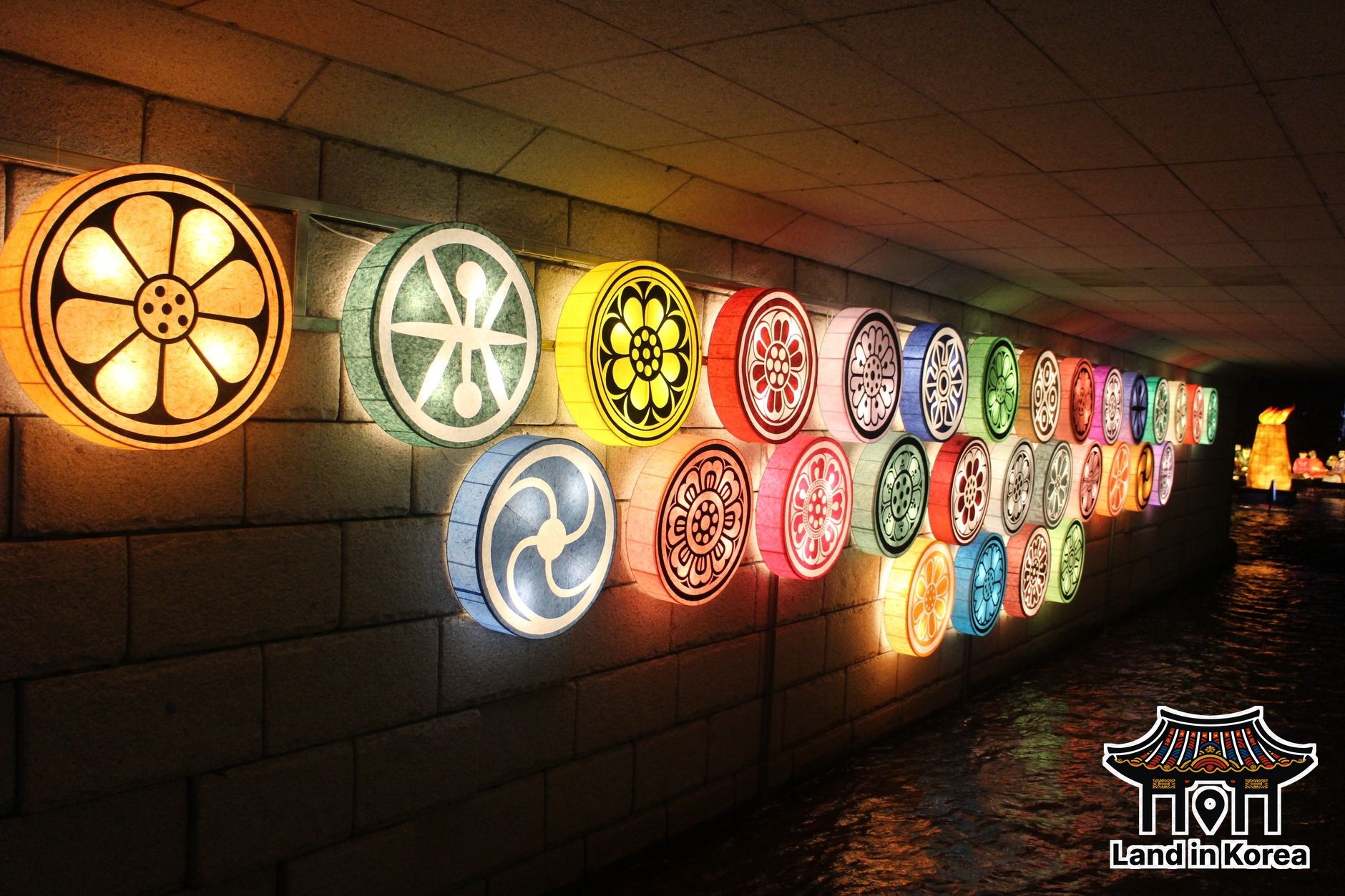
The Jinju Namgang Yudeung Festival fills the Namgang River in Jinju, South Gyeongsang Province, with thousands of floating and hanging lanterns each autumn. It's one of the more dramatic festival photo opportunities in Korea and, being outside Seoul, one of the less crowded-with-tourists options if you're looking to get away from the capital for a night.
What the Festival Is
The 2026 edition runs October 3-18, with lanterns lit from 6 p.m. each evening — plan to arrive before dusk so you catch the transition from daylight to full glow, which is arguably the best moment of the whole event. The riverbanks and the fortress walls above them fill with light, and the reflection on the water roughly doubles the visual effect.
Why the River Is Full of Lanterns
The festival traces back to the 1592 siege of Jinju Fortress during the Imjin War, when lanterns were floated on the river as signals to soldiers and to block enemy troops from crossing at night. That history is why Jinju Fortress, sitting above the river, is built into the festival grounds rather than just being a nearby landmark — walking the fortress walls at night with the lanterns below is part of the intended experience, not an afterthought.
Getting to Jinju From Seoul
Jinju is a long day trip from Seoul, so most visitors plan to stay at least one night rather than rush back. Direct trains run from Seoul Station to Jinju (check whether your train is a high-speed or conventional service when booking, since both exist on this route), and express buses leave from Seoul's Nambu and Express Bus Terminals — both options take roughly three and a half to four hours, so factor that into how early you leave.
Best Nights to Visit
Accommodation near the river sells out fast on festival weekends, so book early or consider staying in a nearby city like Changwon or Sacheon if Jinju itself is full. Weekday evenings are noticeably calmer than Saturdays, while the opening and closing nights add fireworks over the river for anyone who wants the busiest, most spectacular version of the festival.
What Else to Do in Jinju
Jinju Fortress itself is worth walking in daylight too, not just at night during the festival — it houses the Jinju National Museum, which focuses on the Imjin War history that the lantern festival commemorates, giving useful context before you see the lanterns after dark. Jinju is also known for jinju bibimbap, a regional variation served with a side of soybean-sprout soup, and for silk production — the Jinju Silk Museum is a quieter, less-touristed stop if you have an extra half-day before or after the festival. The area around Jinju Fortress and the old downtown near it has a good concentration of local restaurants serving the regional bibimbap, so pairing a fortress visit with a lunch stop there covers both the history and the food in one trip without much extra travel.
An Easier Alternative: Coming From Busan Instead
If Seoul feels like too long a trip for a one-night festival, consider approaching from Busan instead — Jinju is roughly an hour away by intercity bus from Busan's bus terminals, far shorter than the trip from Seoul. This works well if you're already doing a Busan/Gyeongsang-region itinerary, letting you fit in the lantern festival as a half-day add-on rather than a dedicated overnight trip from the capital.
Photography and the Lantern-Making Booths
The festival draws a serious amount of photography traffic, and tripods are generally tolerated along the riverbank walkways as long as you're not blocking the main pedestrian flow — arriving even 30-45 minutes before the 6 p.m. lighting gets you a spot without having to squeeze past a crowd. Alongside the floating lanterns, the festival usually runs paid lantern-making and lantern-writing booths near the main entrance, where visitors can write a wish on a paper lantern and either float it on the river or hang it along the designated wish-lantern sections — a popular activity if you're traveling with kids or just want a more hands-on souvenir than photos alone. Bring a portable charger — cold autumn nights and constant photo-taking drain phone batteries fast, and charging spots along the riverbank are limited during peak festival hours when everyone else has the same idea.
Related guides
Official sources
This guide is checked against Korea Tourism Organization and Korail. Prices, hours, and procedures change — confirm time-sensitive details there before you rely on them.
Frequently Asked Questions
How long does it take to get from Seoul to Jinju?
Roughly three and a half to four hours either by direct train from Seoul Station or by express bus from Seoul's Nambu or Express Bus Terminals.
Should I book accommodation in advance?
Yes — rooms near the river sell out quickly on festival weekends. Book early, or plan to stay in nearby Changwon or Sacheon if Jinju is fully booked.
What time do the lanterns light up?
Lanterns are lit from 6 p.m. each evening during the festival, so arriving before dusk lets you see the switch from daylight to full glow.