
Suwon Hwaseong Fortress: A Complete Visitor's Guide
The mistake most visitors make at the gate
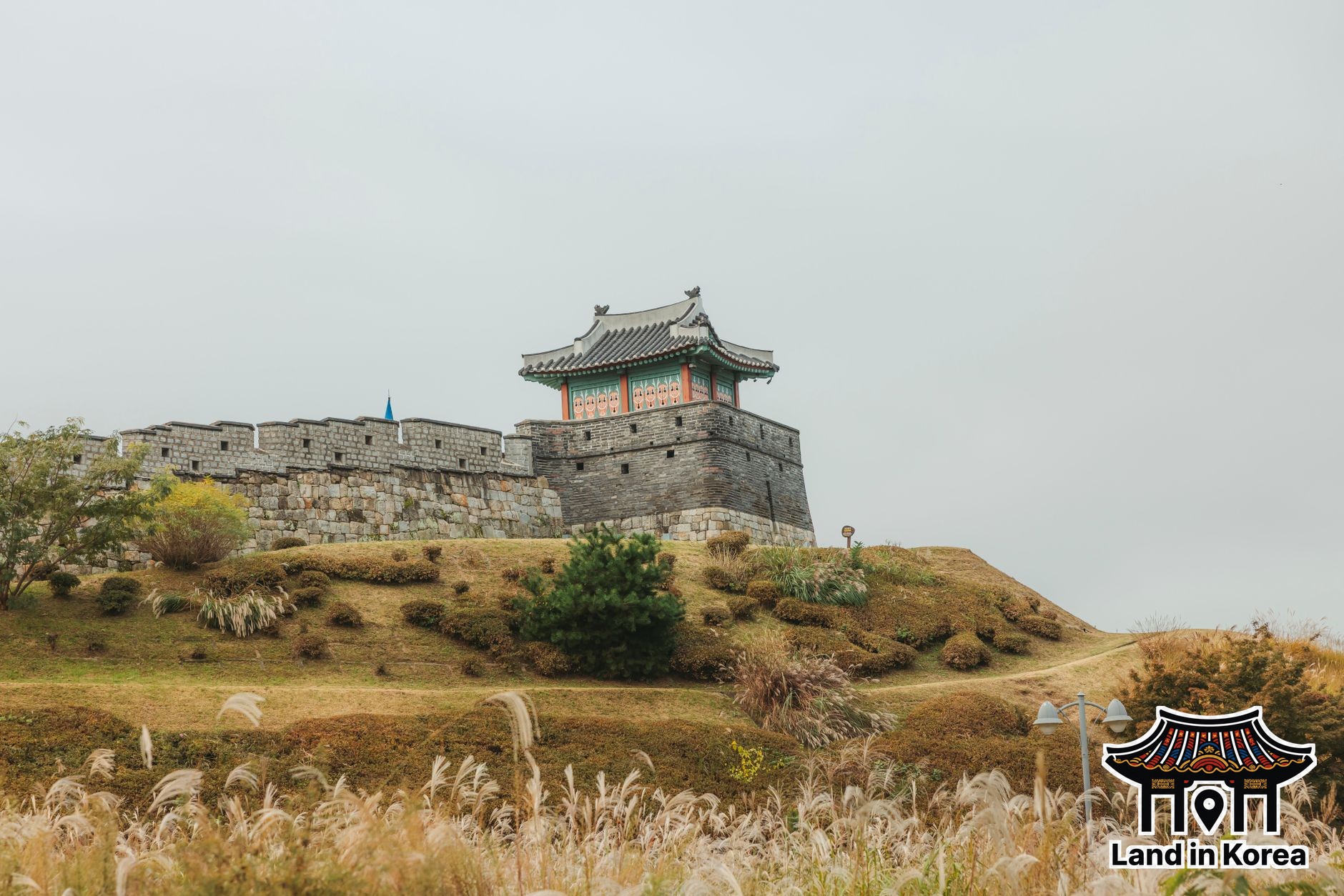
Most people treat Hwaseong Fortress like a single photo stop — walk up, snap the wall, leave. It isn't one sight; it's a fortification that runs about 5.7 kilometers around the center of old Suwon, built to be walked as a loop, not viewed from one spot. Doing even a third of the wall on foot takes longer than a quick stopover allows, and the stretch most tour buses skip — climbing Paldalsan mountain in the middle of the loop — has some of the best views on site.
Why it was built in the first place
King Jeongjo had the fortress constructed between 1794 and 1796. The official reason was filial piety: his father, Crown Prince Sado, had been executed by Jeongjo's grandfather, King Yeongjo, and Jeongjo moved his father's tomb near Suwon and built the fortress partly to honor him. The less-stated reason was political — he wanted a new, economically independent city outside the factional politics of the Seoul court, and Suwon's location between Seoul and the coast made it a plausible alternative capital. Neither plan fully played out, but the fortress survived as one of the best-preserved examples of Joseon-era military architecture in the country.
The engineering that got it UNESCO status
Hwaseong was designed by Jeong Yak-yong, a Silhak (practical learning) scholar who combined Korean, Chinese, and Western engineering ideas rather than following older Korean fortress conventions. He introduced a pulley-based lifting device called the geojunggi to move heavy stone blocks, which is credited with cutting a project expected to take a decade down to under three years. UNESCO inscribed Hwaseong Fortress as a World Heritage Site on December 12, 1997, citing it as an outstanding example of 18th-century military engineering that blended East Asian and Western technique.
The gates and structures worth finding
Janganmun, the north gate, is the largest gate in the fortress and the one most photos of Hwaseong show. Paldalmun, the south gate, sits further out from the main wall by design — a defensive layout meant to slow an attacking force before it reached the actual gate. Seojangdae, the western command post, is a two-story pavilion where officers oversaw the surrounding area, and it's one of the better vantage points over Suwon's old town. Smaller watchtowers and artillery platforms are scattered along the wall and easy to walk past unless you're looking for them.
What's free and what isn't
The fortress wall and grounds are free to enter and open 24 hours, year-round — there's no ticket gate for walking the wall or outdoor areas. Hwaseong Haenggung, the temporary palace within the fortress grounds, is a separate paid attraction, and a combined ticket covering the palace plus the Suwon Hwaseong Museum and Suwon Museum is available at a modest cost — prices for these municipal sites shift periodically, so confirm the fee at the ticket window rather than an old number. As with several palace-adjacent sites in Korea, visitors in traditional hanbok sometimes get free or discounted admission to the paid sections.
The dragon train, if you don't want to walk the whole loop
A tourist trolley shaped like a dragon head runs the interior of the fortress route for visitors who don't want to walk the full 5.7 kilometers. It departs roughly every 20 minutes, charges separate fares by age group, and doesn't run on Mondays — a reasonable way to see the wall's layout fast, though you skip the closer look at smaller gates and watchtowers you'd get on foot.
Getting there from Seoul
Subway Line 1 runs directly from central Seoul to Suwon Station, about 50 minutes from Seoul Station on the same T-money card you'd use anywhere else. For a faster option, KTX or ITX trains cover the same route in roughly 20 to 30 minutes — see KTX vs. SRT vs. intercity bus for how they compare on cost. From Suwon Station, Paldalmun (the south gate) is about a 10-minute walk.
How it's different from Seoul's palaces
If you've already done Gyeongbokgung or one of Seoul's other palaces, Hwaseong is a different kind of site: it's a fortification wrapped around a living city, not a self-contained palace complex you enter and exit. Modern Suwon still exists inside and around the wall, so you're walking a working perimeter with restaurants and homes mixed in, not a preserved compound behind a single gate. There's also no single closing time for the fortress itself — Haenggung and the museums keep their own hours, but the wall doesn't lock up at night.
The short version
- A roughly 5.7-kilometer wall loop, not a single stop — plan more than a quick photo break
- Built 1794-1796 by King Jeongjo, partly to honor his father Crown Prince Sado, partly to found a new capital outside Seoul's court politics
- Designed by Silhak scholar Jeong Yak-yong, who used the geojunggi pulley device to speed construction
- UNESCO World Heritage listed December 12, 1997
- The wall and grounds are free and open 24 hours; Haenggung Palace and the museums require separate paid tickets
- A dragon-shaped tourist trolley runs the loop every 20 minutes (closed Mondays) for anyone skipping the walk
- Reach it via Subway Line 1 to Suwon Station (~50 min) or KTX/ITX (~20-30 min), then a 10-minute walk to Paldalmun
- Unlike Seoul's palaces, it's a fortification built around a still-living city, not a closed compound
Official sources
This guide is checked against Korea Tourism Organization. Prices, hours, and procedures change — confirm time-sensitive details there before you rely on them.
Frequently Asked Questions
How do I get to Suwon Hwaseong Fortress from Seoul?
Subway Line 1 to Suwon Station, about 50 minutes from Seoul Station, or KTX/ITX on the same route in 20-30 minutes. From Suwon Station it's a 10-minute walk to Paldalmun, the south gate.
Is Hwaseong Fortress free to visit?
The wall and grounds are free and open 24 hours year-round. Hwaseong Haenggung Palace and the on-site museums charge separate admission, sometimes discounted for hanbok wearers.
Who built Hwaseong Fortress and why?
King Jeongjo, between 1794 and 1796, partly to honor his father Crown Prince Sado and partly to establish a new capital outside Seoul's court politics.
When was Hwaseong Fortress designated a UNESCO World Heritage Site?
December 12, 1997, for 18th-century military engineering that combined Korean, Chinese, and Western technical ideas.
Do I have to walk the entire fortress wall?
No — a dragon-shaped tourist trolley runs the interior loop roughly every 20 minutes (closed Mondays) for anyone who doesn't want to cover all 5.7 kilometers on foot.
How is Hwaseong Fortress different from Gyeongbokgung or Seoul's other palaces?
It's a fortification wrapped around an active part of Suwon, not a self-contained palace compound — the loop mixes in modern streets and buildings, and it has no single closing time the way a palace does.