
Timing Cherry Blossoms and Fall Foliage in Korea Right
What matters here
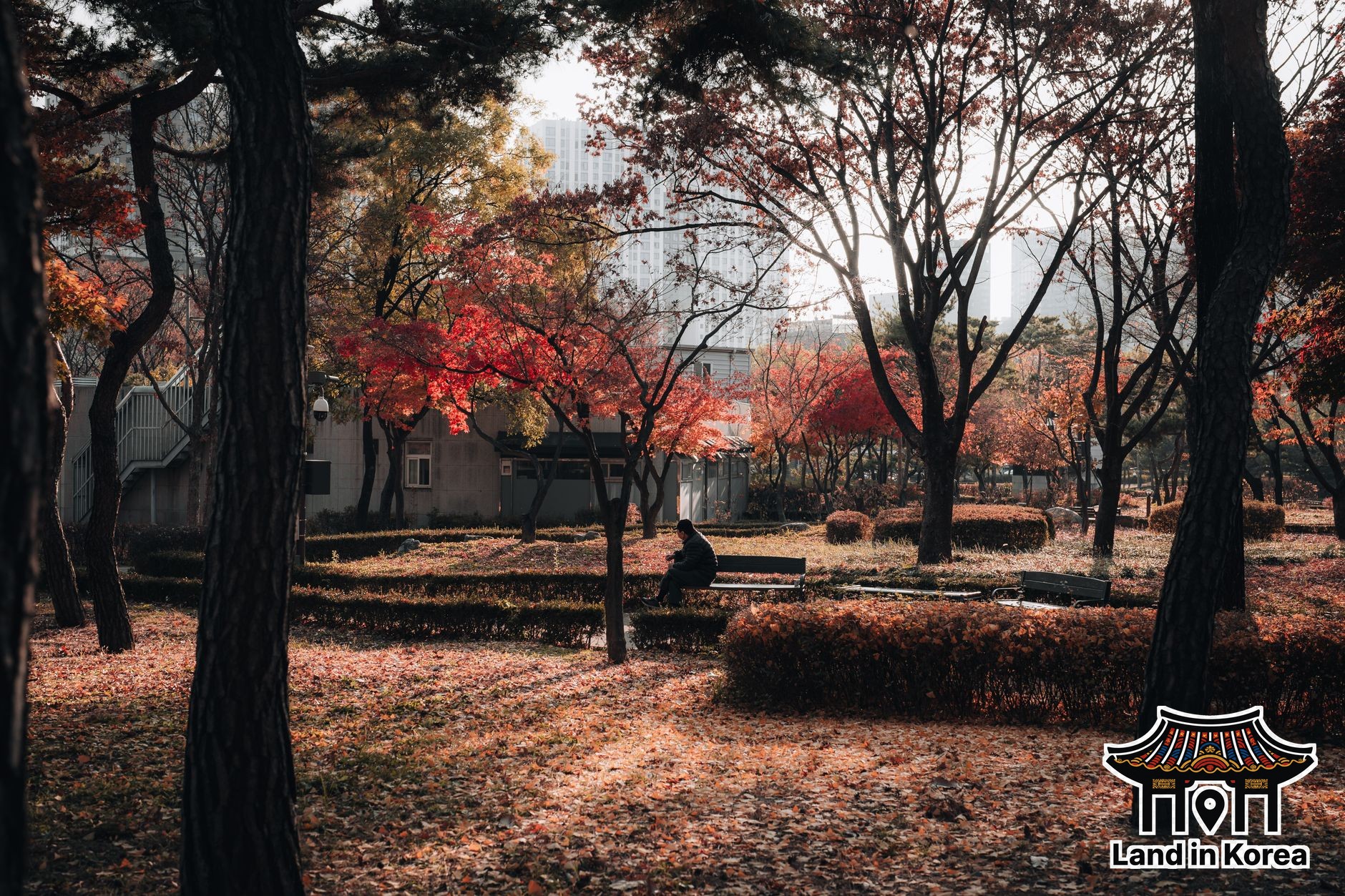
Cherry blossoms open first in the far south — Jeju, Busan, Changwon — around late March, then sweep northward, usually reaching Seoul in early April. Autumn colors run in reverse: they start in the northern mountains like Seoraksan in early-to-mid October, hit Seoul roughly late October into early November, and finish in the southern provinces afterward. Weather companies and the Korea Meteorological Administration publish bloom and foliage forecast maps each year, and those are worth checking a couple of weeks out rather than booking blind months ahead.
Blossoms only look their best for about a week, and one heavy rain or windy night can strip them, so flexibility beats a fixed date. Major festivals — Jinhae's Gunhangje, Yeouido's riverside cherry blossom road, Gyeongju, Jeonju — concentrate enormous crowds onto one or two weekends, with road closures, shuttle-only access, and trains and intercity buses selling out well in advance. Weekday mornings are dramatically quieter at the same spots, and ordinary neighborhood streams, university campuses, and apartment-complex streets bloom just as hard with almost nobody there.
Why the exact date moves every year
Bloom and foliage dates aren't fixed on a calendar — they follow accumulated temperature, so a warmer or colder spring/fall shifts the whole window earlier or later by days to weeks compared to the year before. That's the reason forecast maps from the Korea Meteorological Administration matter more than a "cherry blossoms peak in early April" rule of thumb copied from an old blog post: a prediction published two or three weeks out is far more reliable than planning a flight around a date fixed months in advance.
Where fall foliage actually peaks hardest
For autumn colors specifically, a handful of mountain parks consistently rank as the country's most dramatic: Seoraksan in the northeast turns first and hardest, Naejangsan in the southwest is famous for dense maple cover, and Odaesan draws a quieter crowd for similar scenery. All three get genuinely packed on autumn weekends — cable car lines and trailhead parking fill before mid-morning — so the same weekday-and-early-morning logic that works for cherry blossoms applies here too, just shifted to the opposite end of the year.
Pack for the in-between weather, not just the flowers
Both peak seasons sit in Korea's shoulder months, when daytime sun can feel warm while mornings and evenings stay genuinely cold, especially near rivers and in the mountains where the best blossom and foliage spots tend to be. Layers matter more than a single heavy or light jacket. Spring also runs right up against the start of Korea's rainy season in some years, so a blossom trip timed too late in the window risks overlapping with days of steady rain that will strip the flowers early — another reason to treat the forecast maps as more reliable than a fixed calendar date. Fall is generally more weather-stable than spring, but mountain parks can still be noticeably colder and windier at elevation than the forecast for the nearest city suggests.
Book trains before you book a hotel
Blossom and foliage weekends hit KTX and intercity bus ticket sales almost as hard as Seollal or Chuseok, especially on routes toward Jinhae, Gyeongju, and the southeast coast during peak cherry blossom week. Seats for the specific Saturday or Sunday everyone's aiming for can sell out days in advance even outside a national holiday, so if a trip is anchored to a specific festival weekend, lock in transport first and build lodging around whatever departure times are actually still available — not the other way around.
Jeju runs slightly ahead of the mainland pattern
Jeju's king cherry trees, widely believed to be native to the island, tend to bloom a little earlier than the mainland varieties that follow, which is part of why the "south to north" sweep described above often shows Jeju first on forecast maps even before Busan and Changwon catch up. Treat Jeju as its own slightly separate timeline rather than assuming it tracks the southern mainland exactly.
Related guides
- Packing for the season
- Avoiding holiday crowds on top of peak season
- A popular foliage day trip
- A popular cherry blossom spot
Official sources
This guide is checked against Korea Meteorological Administration and Korea Tourism Organization. Prices, hours, and procedures change — confirm time-sensitive details there before you rely on them.
Frequently Asked Questions
What's the most common first-timer mistake with timing cherry blossoms and fall foliage in korea without hitting peak crowds?
The bigger mistake is going on the wrong day rather than the wrong week.
What should I know before I go?
Korea's flower and foliage seasons move geographically, and that's the whole planning trick.
Any quick tip to remember?
For foliage, popular mountain parks are busiest on autumn weekends, when the first cable cars and trailheads see long queues before breakfast.