
Why Google Maps Fails in Korea and How Addresses Work
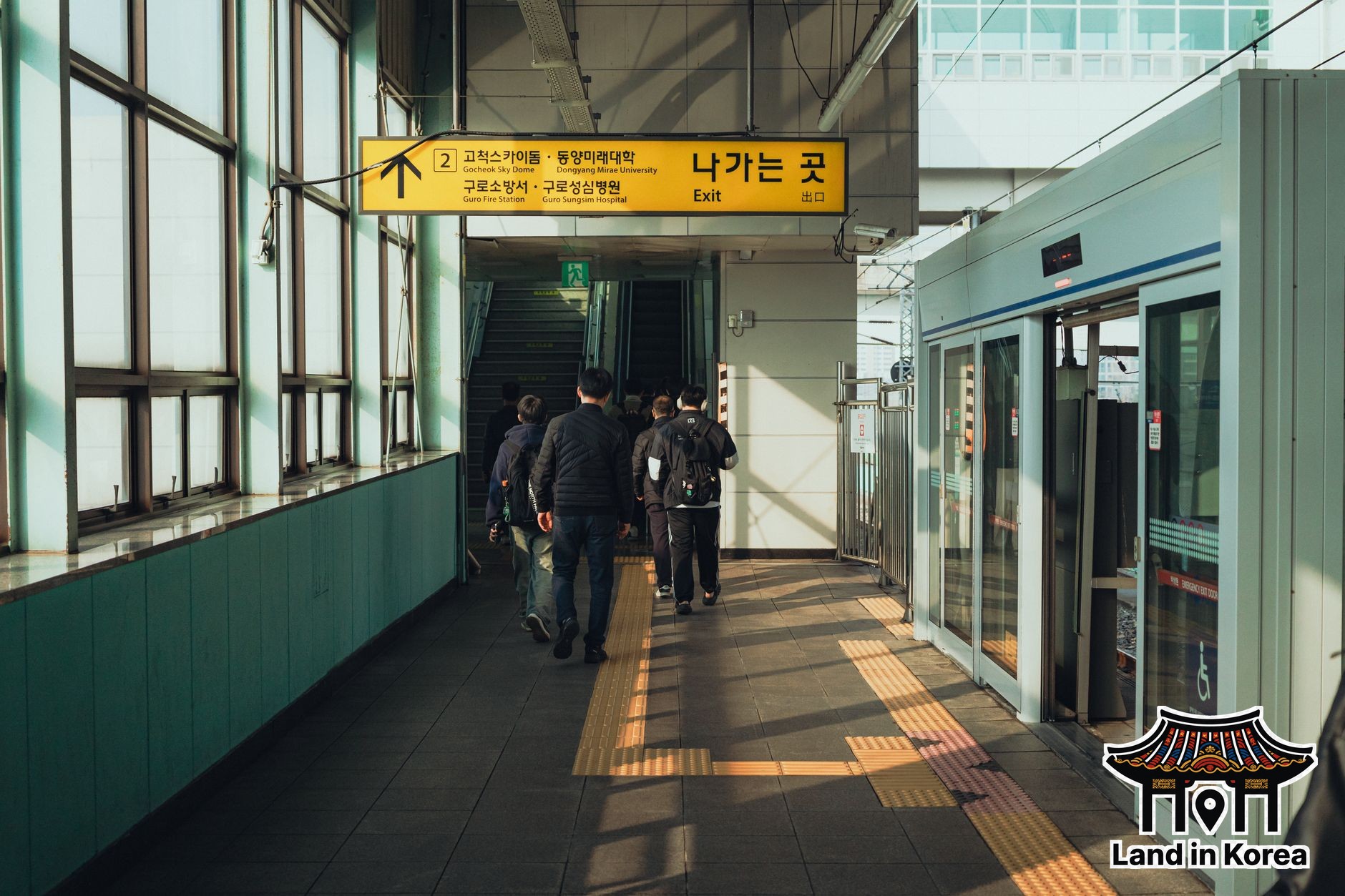
Here's the mistake almost every first-timer makes: landing at Incheon, opening Google Maps, typing in a restaurant, and getting either nothing or a vague blue line that stops making sense the moment you leave the subway station. It's not your phone. It's not bad Wi-Fi. Google Maps is genuinely crippled in Korea, and no amount of refreshing will fix it.
What Google Maps can and can't do here
Google Maps in Korea will show you subway and bus routes reasonably well. What it won't do is give you full driving directions or detailed walking directions — the kind that tell you to turn left at the corner and cut through the alley. The reason is legal, not technical: Korean law restricts exporting precise mapping data to servers outside the country, so Google simply doesn't have the granular data to work with.
Business information is the second problem. Hours, menus, and "currently open" status are far less reliable on Google, because Korean shops register themselves on Korean platforms. That closed-looking cafe on Google may have been open for three years.
Use Naver Map or Kakao Map instead
Both Naver Map and Kakao Map have English interfaces, and both are dramatically better for the things that actually matter on foot: walking routes, live bus arrival times, and — the genuinely underrated feature — which subway exit to use and which indoor passage gets you there. In a station with twelve exits, that is the difference between a two-minute walk and a fifteen-minute one.
The habit worth building: search in Google to learn about a place, then copy the Korean name into Naver or Kakao to navigate there. Google is better for reviews and discovery in English. The Korean apps are better at getting you to the door.
How Korean addresses are actually built
Korea switched to road-name addresses in the 2010s. A modern address reads as road name + building number + city district — a logical, walkable system on paper.
In practice, both systems still float around. The older lot-based jibun numbers persist on older signage, in the heads of long-standing taxi drivers, and with businesses that have been in the same spot for decades. This is exactly why you should copy and paste the exact Korean-language address into a map app rather than trying to read it aloud. Pronunciation gaps plus two competing address systems is a bad combination in the back of a taxi.
The real-world problem: vertical buildings
Even with the right address, you can stand directly in front of your destination and not see it. Many Korean buildings don't display their number prominently at street level. And businesses are frequently on the third or fifth floor, advertised only by a small vertical column of signs beside the entrance stairwell. Look up, then look for the sign stack.
Typing Korean text when you can't read it
Copying and pasting a Korean address only works if you have Korean text to copy in the first place. If a restaurant's address only exists as a photo, a printed card, or a sign on the wall, Papago and Google Translate's camera mode can both extract the Korean text directly from the image, which you can then copy straight into Naver or Kakao Map's search bar — no typing, no guessing at romanization. This same trick works for menus and official notices, not just addresses.
Anchor everything to a subway exit
Watch how Koreans give directions and you'll notice they almost never lead with the address. They say the station name and the exit number, then distance from there. Exit numbers are the single most reliable landmark in any Korean city — fixed, numbered, and identical on every app and every sign.
Before you land: download Naver Map or Kakao Map, set the language to English, and get used to pasting Korean text into the search bar. Then, when a friend asks where to meet, answer like a local: station name, exit number, five minutes straight.
Related guides
Official sources
This guide is checked against Korea road-name address system. Prices, hours, and procedures change — confirm time-sensitive details there before you rely on them.
Frequently Asked Questions
Does Google Maps work at all in Korea?
Partially — it can show you subway and bus routes, but it can't provide full driving directions or detailed walking directions because Korean law restricts exporting precise mapping data to overseas servers.
Which map app should I use in Korea instead of Google Maps?
Naver Map or Kakao Map — both have English interfaces and are far more accurate for walking routes, bus arrival times, and indoor subway exits. They also have more reliable business hours and "currently open" info.
Why can't I find a Korean business even when I have the right address?
Many buildings don't display their number prominently at street level, and businesses are often on the third or fifth floor with only a small vertical sign column at the entrance. Look up at the sign stack beside the stairwell.